
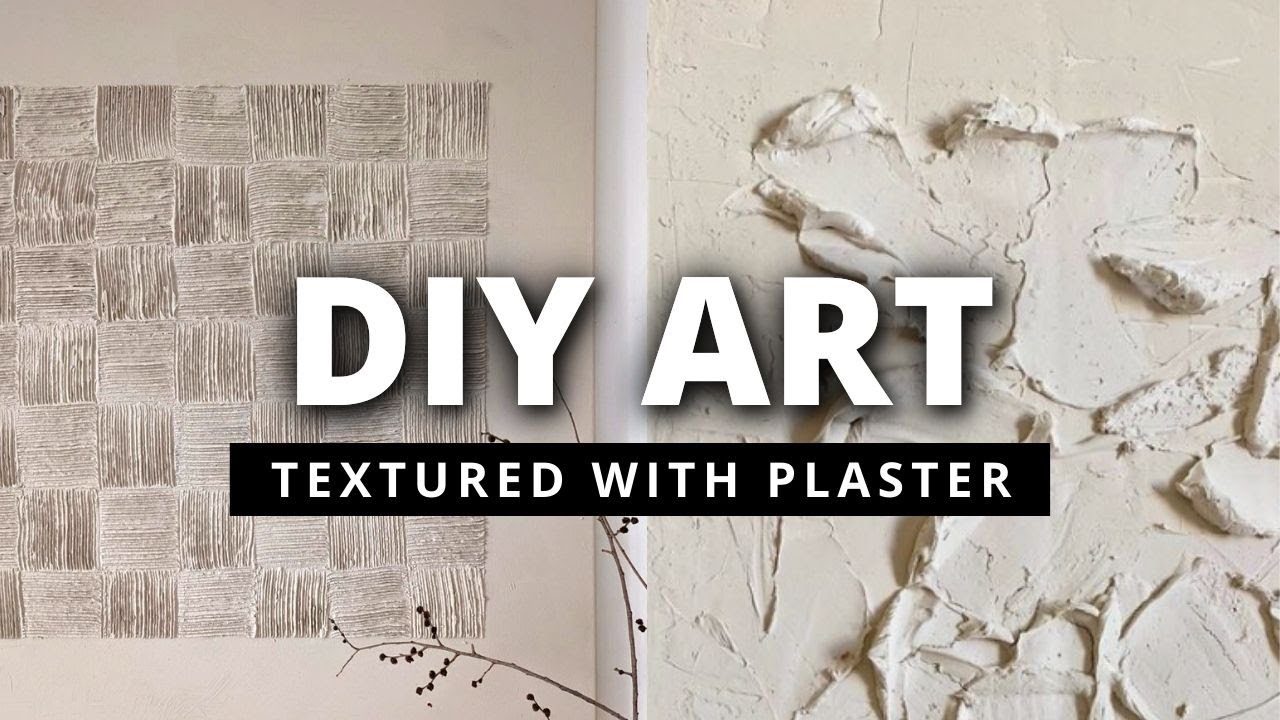
Modern architecture often celebrates clean lines, sharp angles, and minimalist aesthetics. Yet, in recent years, a growing movement has emerged that seeks to temper the rigidity of contemporary design. At the heart of this shift is a humble yet transformative material: textured plaster. This article explores how textured plaster is redefining modern geometry, adding warmth, depth, and sensory richness to spaces once dominated by cold, hard surfaces. From residential homes to commercial landmarks, the application of textured plaster is more than a trend it is a return to tactile authenticity.
The Rise of Textured Plaster in Contemporary Design
For decades, modern architecture has been synonymous with glass, steel, and exposed concrete. While these materials offer durability and a sleek appearance, they often lack emotional resonance. Textured plaster bridges this gap. It introduces a human touch, transforming flat walls into dynamic canvases that play with light and shadow. Unlike smooth finishes, textured plaster captures light unevenly, creating subtle variations that evolve throughout the day.
Architects and interior designers are increasingly specifying textured plaster for both interior and exterior applications. Its versatility allows it to complement brutalist structures, soften minimalist interiors, and even enhance heritage renovations. The material’s ability to be tinted, sculpted, and applied in multiple layers makes it a favorite among those seeking bespoke finishes.
Understanding Textured Plaster: Composition and Types
Textured plaster is not a single product but a category encompassing various formulations and application techniques. Traditionally, plaster consisted of lime, sand, and water. Contemporary versions may include cement, acrylics, synthetic fibers, and natural aggregates. These components influence the final texture, durability, and suitability for different environments.
A. Lime-Based Plaster: Known for its breathability and eco-friendliness. Ideal for heritage buildings and humid climates. Develops a patina over time.
B. Cement-Based Plaster: Offers high durability and impact resistance. Suitable for exterior facades and high-traffic areas. Can be applied in thick layers for dramatic texture.
C. Acrylic and Synthetic Plaster: Provides flexibility and crack resistance. Available in pre-mixed forms. Often used in modern residential projects for consistent results.
D. Venetian Plaster: A polished variant that creates a marble-like finish. Applied in thin layers and burnished to a sheen. Adds elegance to contemporary interiors.
E. Mineral and Ecological Plaster: Made from clay, hemp, or cork. Gaining popularity in sustainable design. Offers natural insulation and humidity regulation.
Each type of plaster can be manipulated to achieve specific textures from rough trowel marks to smooth undulations. The choice depends on the desired aesthetic, climate, and functional requirements.
The Aesthetic Impact: How Texture Softens Geometry
Geometric forms in architecture are inherently assertive. Right angles, repetitive grids, and planar surfaces convey order and precision. However, without contrast, these forms can feel sterile. Textured plaster introduces irregularity and imperfection, which are essential for visual comfort.
When applied to a flat concrete wall, textured plaster breaks the monotony. The surface becomes active; shadows collect in crevices, and highlights emphasize ridges. This interplay softens the perception of mass and volume. A massive geometric block, when clad in textured plaster, appears lighter and more inviting.
Moreover, texture affects scale. In large open-plan spaces, smooth surfaces can exaggerate emptiness. Textured walls, by contrast, absorb and scatter sound, reducing echo and creating intimacy. They also provide visual anchors that draw the eye and define zones without the need for physical partitions.
Sensory Experience and Human Connection
One of the most compelling arguments for textured plaster is its contribution to sensory architecture. In an era dominated by digital interfaces and virtual experiences, physical tactility has become a luxury. Textured plaster invites touch. Its surface tells a story of craftsmanship each trowel stroke is a record of human labor.
This sensory dimension fosters a deeper connection between occupants and their environment. Children are drawn to run their hands along rough walls. Adults find comfort in the organic irregularities that contrast with the perfection of machined materials. In healthcare settings, textured surfaces have been shown to reduce anxiety and promote well-being.
Architects are also using textured plaster to create biophilic connections. By incorporating natural pigments and aggregates like crushed shells or straw, plaster can mimic geological formations. These references to nature ground geometric buildings in their surroundings, making them feel less alien and more rooted.
Functional Benefits Beyond Aesthetics
While the visual appeal of textured plaster is undeniable, its practical advantages are equally significant. Modern formulations address many of the limitations associated with traditional plaster.
Durability and Maintenance: High-quality textured plasters are resistant to cracking, mold, and UV degradation. Exterior applications benefit from breathability, preventing moisture entrapment that can damage substrates. Cleaning is often straightforward; many surfaces can be gently power-washed or wiped with a damp cloth.
Acoustic Performance: The irregular surface of textured plaster diffuses sound waves, reducing reverberation. This makes it an excellent choice for auditoriums, restaurants, and open offices where noise control is critical.
Thermal Regulation: Lime and clay-based plasters have thermal mass properties. They absorb heat during the day and release it slowly at night, contributing to passive energy savings. This aligns with the growing emphasis on sustainable building practices.
Concealment of Imperfections: Unlike glossy or perfectly flat finishes, textured plaster disguises minor substrate flaws. This reduces the need for extensive surface preparation, saving time and labor costs.
Customization and Adaptability: Pigments can be mixed directly into the plaster, eliminating the need for paint and ensuring color consistency even if the surface is scratched or chipped. Textures can be calibrated from subtle to aggressive, allowing architects to fine-tune the sensory impact.
Case Studies: Textured Plaster in Iconic Projects
To understand the transformative power of textured plaster, it is useful to examine its application in real-world projects. These examples illustrate how the material mediates between geometric rigor and human comfort.
The Tassel House Renovation, Barcelona: A modernist villa originally designed with stark white facades. The renovation introduced lime-based textured plaster tinted in warm ochre. The new surface respects the original geometry while adding Mediterranean warmth. Shadows cast by overhanging eaves now dance across the granular surface, animating the facade throughout the day.
Tokyo Community Center, Japan: This civic building features a series of interlocking cubes. Architects specified a coarse, hand-applied acrylic plaster for the exterior. The texture reduces the visual weight of the concrete structure and helps it blend with the surrounding residential scale. Inside, polished Venetian plaster in the lobby reflects soft light, creating a serene atmosphere.
Private Residence, Marfa, Texas: Located in the high desert, this home responds to its harsh environment with thick, cement-based plaster walls. The surface is intentionally rough, echoing the rugged landscape. Deep window recesses are lined with smoother plaster, contrasting with the exterior. The result is a building that feels both ancient and contemporary.
Eco-Resort, Costa Rica: Here, ecological plaster made from clay and bamboo fibers covers curvilinear walls. The texture resembles compressed earth, reinforcing the resort’s sustainability ethos. Humidity regulation keeps interiors comfortable without excessive air conditioning.
These case studies demonstrate that textured plaster is not confined to a single style or geography. It is a global material adapted to local conditions and cultural preferences.
Application Techniques: From Craft to Innovation
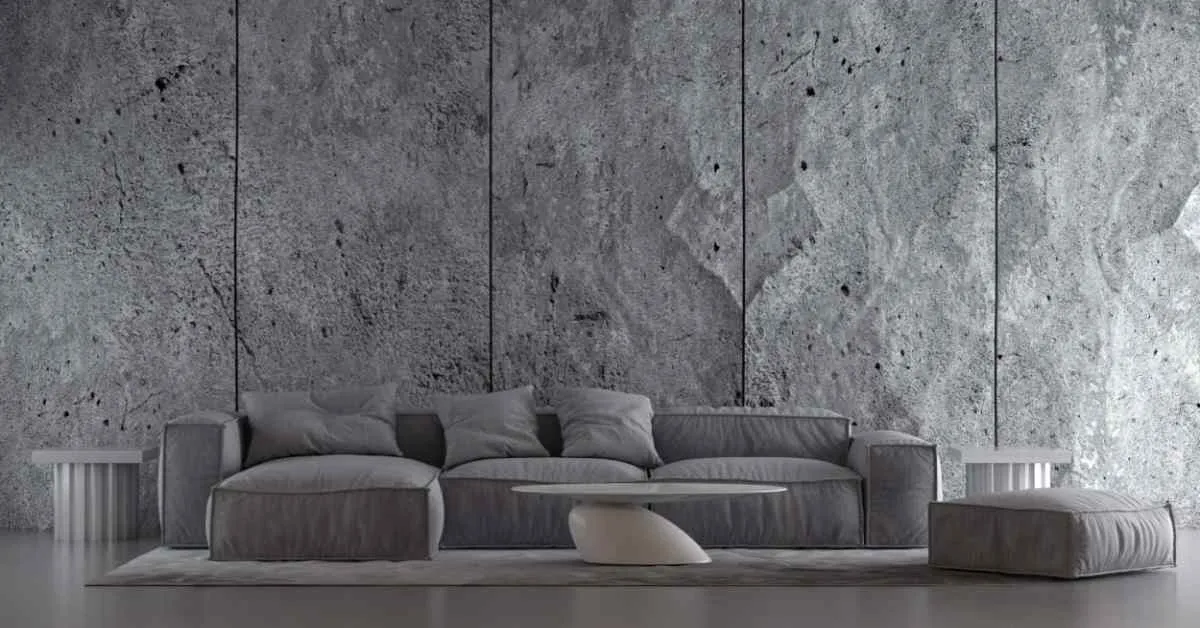
The application of textured plaster requires skill and patience. While some systems are designed for DIY enthusiasts, the most compelling results come from trained artisans. The process typically involves multiple steps:
-
Substrate Preparation: The wall must be clean, stable, and properly primed. Cracks and voids are filled to prevent telegraphing through the final coat.
-
Base Coat Application: A scratch coat is applied to create a mechanical key for subsequent layers. This coat is often left intentionally rough.
-
Texture Creation: Using trowels, sponges, brushes, or specialized tools, the plasterer manipulates the surface. Techniques include stippling, swirling, combing, and slapping. The timing is critical; plaster must be at the right consistency to hold the desired pattern.
-
Color Integration: Pigments can be added to the top coat or applied as a wash after drying. Some artisans burnish the surface with a spatula to create a slight sheen.
-
Sealing: For exterior applications or high-moisture areas, a breathable sealer may be applied. This protects without trapping vapor.
Recent innovations include 3D-printed formwork that creates custom textures algorithmically, and robotic troweling systems for large-scale uniformity. However, hand application remains prized for its authenticity and variation.
Sustainability and Health Considerations
As the construction industry grapples with its environmental impact, textured plaster offers several advantages. Natural plasters have low embodied energy, especially when sourced locally. They are free from volatile organic compounds (VOCs), contributing to better indoor air quality.
Unlike vinyl wallcoverings or synthetic paints, plaster does not off-gas toxic chemicals. It is also fully recyclable at the end of its life cycle. Some manufacturers now offer carbon-negative plasters that sequester CO2 during curing.
In terms of health, plaster’s ability to regulate humidity inhibits mold growth. This is particularly beneficial for allergy sufferers. The thermal mass effect also reduces reliance on mechanical heating and cooling, lowering operational carbon emissions.
Challenges and Limitations
Despite its many virtues, textured plaster is not without challenges. Installation requires skilled labor, which can be scarce and expensive. The curing process is weather-dependent; extreme temperatures or humidity can cause defects. Repairs are also more complex than patching painted drywall; matching existing texture demands expertise.
Furthermore, not all architectural styles benefit from heavy texture. In ultra-minimalist designs, even subtle variations may be perceived as distractions. Therefore, successful integration of textured plaster hinges on thoughtful design rather than indiscriminate application.
Future Directions: Where Texture Meets Technology
The future of textured plaster lies at the intersection of tradition and innovation. Researchers are developing self-healing plasters that use bacteria to seal micro-cracks. Photocatalytic plasters that break down air pollutants are already available in some markets. Smart plasters embedded with phase-change materials can actively store and release thermal energy.
Digital fabrication tools are also expanding possibilities. Architects can now design parametric textures that respond to solar orientation or view corridors. These patterns are then milled into foam molds and cast in plaster, achieving precision impossible by hand.
Yet, even as technology advances, the appeal of handmade texture endures. In a world of mass production, the slight irregularities of troweled plaster signify care and individuality. This human element ensures that textured plaster will remain relevant, even as methods evolve.
Integrating Textured Plaster into Your Own Space
For homeowners and designers considering textured plaster, several factors warrant attention. Begin by assessing the architectural context. A heritage building may call for traditional lime plaster, while a contemporary loft might suit Venetian or acrylic finishes.
Consider the role of light. Texture is most effective when illuminated from an angle. Accent lighting can dramatize surface relief, while diffuse light softens it. Sample panels are essential; observe them under different lighting conditions and from various distances.
Budget realistically. While some plaster systems are competitively priced, custom artisanal finishes command a premium. However, the longevity and timeless appeal of plaster often justify the investment.
Finally, engage professionals with verifiable experience. Review their portfolio and request references. The success of a plaster installation depends as much on the applicator’s skill as on the material itself.
Conclusion: The Enduring Appeal of the Handmade Surface
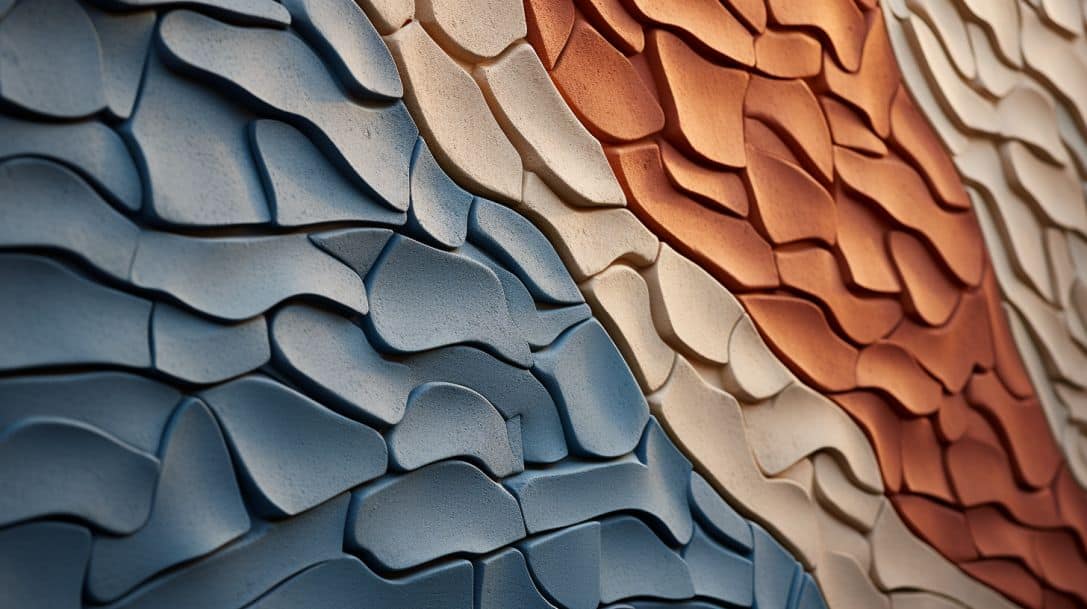
Textured plaster represents a quiet rebellion against the anonymity of modern construction. It reintroduces time, touch, and tradition into spaces defined by speed and standardization. By softening the hard edges of geometric architecture, it creates environments that are not only visually striking but also emotionally resonant.
As we move further into the twenty-first century, the desire for authenticity will only intensify. Textured plaster answers this call, offering a material language that is both ancient and contemporary. It proves that progress need not erase the past, and that the most sophisticated designs often embrace imperfection.
Whether applied to a massive civic monument or a modest family home, textured plaster transforms walls from mere boundaries into sensory experiences. In doing so, it reminds us that architecture, at its best, is not just seen but felt.