In an era dominated by glass, steel, and concrete, the human spirit still yearns for something more organic, more alive. The architectural world is witnessing a profound transformation a shift from purely functional design toward spaces that breathe, grow, and connect us to the natural world. At the heart of this movement lies the Biophilic Cocoon, an emerging architectural language that does not simply add plants to buildings but fundamentally rethinks how structures relate to living systems.
This article explores the philosophy, design principles, practical applications, benefits, challenges, and future of biophilic cocoon architecture. Whether you are an architect, interior designer, urban planner, or simply someone fascinated by sustainable living, this comprehensive guide will illuminate why the biophilic cocoon is more than a trend it is a necessity.
Understanding the Biophilic Cocoon Concept
The term “biophilic cocoon” derives from two powerful ideas. Biophilia, popularized by biologist E.O. Wilson, refers to humanity’s innate affinity for nature. A cocoon symbolizes protection, transformation, and emergence. Together, the biophilic cocoon represents an architectural envelope that shelters inhabitants while immersing them in natural elements and processes.
Unlike conventional green building, which often treats sustainability as an engineering challenge, the biophilic cocoon approach prioritizes psychological and physiological well-being. It seeks to create environments where nature is not an ornament but a structural and experiential component. This means incorporating daylight, fresh air, water, plants, natural materials, and even wildlife into the very fabric of architecture.
Origins and Evolution
The roots of biophilic design trace back to ancient vernacular architecture think of Roman courtyards, Persian gardens, or Japanese engawa verandas. However, the formal biophilic framework emerged in the late 20th century through the work of scholars like Stephen Kellert and practitioners like William McDonough. The “cocoon” extension is more recent, influenced by biomimicry, regenerative design, and responses to pandemic-induced isolation. It reflects a collective desire to retreat into safe, nurturing spaces without disconnecting from the living world.
Core Design Principles of Biophilic Cocoon Architecture
To translate the biophilic cocoon vision into reality, architects and designers follow a set of interconnected principles. These are not rigid rules but flexible guidelines that adapt to context, climate, and culture.
A. Environmental Immersion
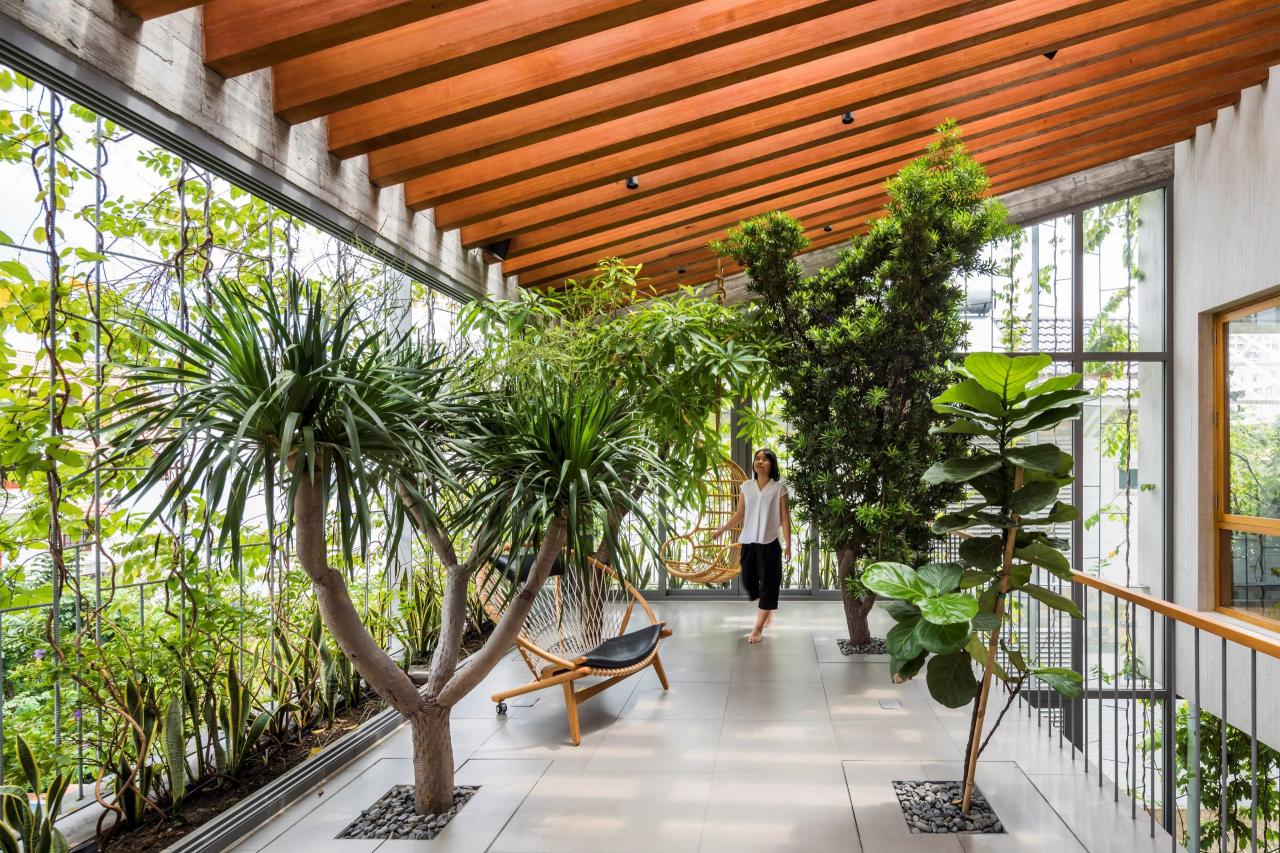
The cocoon blurs boundaries between inside and outside. Floor-to-ceiling glazing, retractable walls, and interior courtyards create visual and physical continuity with nature. Rain gardens, green roofs, and living facades extend the building’s skin into the landscape.
B. Multi-Sensory Engagement
Biophilic cocoons engage all five senses, not just sight. The sound of trickling water, the texture of untreated wood, the scent of flowering plants, and even the taste of herbs grown indoors contribute to a holistic experience.
C. Dynamic and Responsive Elements
Nature is never static. Accordingly, biophilic cocoons incorporate moving water, changing light patterns, seasonal plantings, and adaptive shading systems. Some high-tech implementations use sensors to adjust ventilation or lighting based on occupancy and weather.
D. Refuge and Prospect
Drawing from evolutionary psychology, these spaces offer both shelter (refuge) and outlook (prospect). A cozy reading nook overlooking a garden, or a bedroom with panoramic forest views, satisfies deep-seated survival instincts.
E. Natural Materials and Forms
Concrete and steel are not banished, but they are complemented by wood, stone, bamboo, cork, clay, and bio-based composites. Forms mimic organic curves rather than rigid orthogonal grids, echoing structures found in shells, leaves, or nests.
F. Biodiversity Support
A true biophilic cocoon hosts life. Pollinator-friendly planting, bird nesting features, and water features for amphibians turn buildings into micro-ecosystems. This elevates the design from non-destructive to regenerative.
Typologies and Applications
Biophilic cocoon architecture manifests differently across building types and scales. Below are notable typologies, each with distinct strategies.
1. Residential Biophilic Cocoons
Private homes offer the greatest freedom for experimentation. Examples include earth-sheltered houses bermed into hillsides, treehouse-inspired structures, and urban apartments transformed into indoor jungles. Features often include living walls, atrium gardens, and rooftop food production.
2. Workspaces and Offices
Post-pandemic, companies are investing in biophilic offices to attract talent and enhance productivity. The Amazon Spheres in Seattle exemplify this a workplace where employees collaborate among 40,000 plants. On a smaller scale, office partitions become vertical gardens, and meeting pods resemble woven nests.
3. Healthcare Facilities
Hospitals and clinics increasingly adopt biophilic cocoon principles to accelerate healing. Patient rooms with garden views require less pain medication; waiting areas with aquariums reduce stress. Some psychiatric facilities now incorporate horticultural therapy spaces directly within the building envelope.
4. Educational Institutions
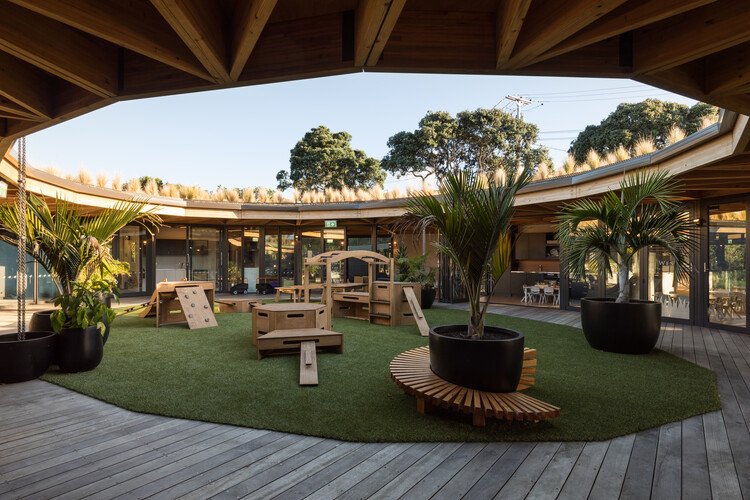
Schools designed as biophilic cocoons report improved concentration and reduced behavioral issues. Classrooms open to outdoor learning areas, natural light floods corridors, and building systems demonstrate ecological cycles turning architecture into a teaching tool.
5. Hospitality and Wellness
Resorts, spas, and eco-lodges have long embraced nature-immersive design. The biophilic cocoon elevates this by integrating accommodations with their surroundings so seamlessly that guests cannot tell where the building ends and the wilderness begins. Overwater bungalows and forest canopy suites are prime examples.
6. Public and Cultural Buildings
Libraries, museums, and community centers are also transforming. The concept of a “living museum” extends beyond exhibits to the building itself, with green roofs accessible to the public and atriums that function as indoor parks.
Health, Environmental, and Economic Benefits

The biophilic cocoon is not merely aesthetic it delivers measurable advantages across multiple domains.
Psychological Well-Being
Exposure to natural elements reduces cortisol levels, lowers blood pressure, and improves mood. In biophilic cocoons, occupants report higher satisfaction, lower stress, and enhanced creativity. For urban dwellers disconnected from nature, these spaces serve as psychological restoration sanctuaries.
Physical Health
Improved indoor air quality is a hallmark of biophilic design. Living plants filter volatile organic compounds, while natural ventilation reduces airborne pathogens. Access to daylight regulates circadian rhythms, leading to better sleep and immune function.
Environmental Performance
Biophilic cocoons often outperform conventional buildings in energy efficiency. Green roofs provide insulation, deciduous trees offer passive solar control, and earth coupling moderates temperatures. Water is harvested and recycled, and materials are sourced locally or salvaged.
Economic Returns
While initial costs can be higher, biophilic buildings yield long-term savings through reduced energy and water bills, lower employee turnover, and higher property values. A study by Terrapin Bright Green found that retail spaces with biophilic features commanded rental premiums of 7–10%.
Materiality and Technology
Achieving a biophilic cocoon requires careful selection of materials and thoughtful integration of technology.
Natural and Bio-Based Materials
-
Wood: Cross-laminated timber and bamboo offer renewable alternatives to steel and concrete.
-
Stone and Earth: Rammed earth, adobe, and locally quarried stone provide thermal mass and regional character.
-
Bio-Plastics and Mycelium: Emerging materials like mushroom-based insulation and algae-derived bioplastics are gaining traction.
-
Reclaimed and Salvaged Materials: These reduce embodied carbon and add narrative richness.
Smart Systems
Technology should be invisible but intelligent. Automated louver systems track the sun; humidity sensors trigger misting for living walls; apps allow occupants to personalize their microclimate. Importantly, technology serves nature, not the reverse.
Challenges and Criticisms
Despite its promise, the biophilic cocoon movement faces obstacles that must be acknowledged.
A. Cost and Accessibility
High-end biophilic projects often cater to wealthy clients. Living walls require irrigation, drainage, and maintenance; custom organic forms demand skilled labor. Democratizing these features is a pressing challenge.
B. Maintenance Burden
Living components need consistent care. Without dedicated horticultural staff, green roofs may wither, and water features may stagnate. Designers must plan for realistic maintenance or choose low-maintenance native species.
C. Regulatory Hurdles
Building codes in many regions lag behind biophilic innovation. Zoning laws may restrict green roofs, greywater systems, or unconventional materials. Advocacy for code reform is essential.
D. Greenwashing Risks
As biophilia becomes fashionable, some projects claim the label with superficial interventions a single potted plant or a green-painted wall. Authentic biophilic cocoons require systemic integration, not cosmetic decoration.
E. Climate Context
A design that works in temperate Seattle may fail in arid Phoenix or humid Singapore. Biophilic cocoons must be climate-responsive, not formulaic.
The Future of Biophilic Cocoon Architecture
Looking ahead, several trajectories suggest how this architectural language will evolve.
Urban Biophilic Networks
Individual cocoons will connect to form biophilic corridors. Green roofs, vertical gardens, and pollinator pathways will link buildings into living networks. Cities like Singapore, with its “Garden City” vision, already demonstrate this.
Circular Biophilic Systems
Future cocoons will not only host nature but participate in natural cycles. Building-integrated agriculture, on-site composting, and closed-loop water systems will make buildings producers, not just consumers.
Biophilic Retrofitting
Given that most buildings standing today will still be in use by 2050, retrofitting is crucial. Adding living walls, replacing facades with biophilic cladding, and converting parking lots into community gardens are scalable interventions.
Personalized Biophilia
Advances in biotechnology may allow occupants to customize their biophilic environment selecting plant species that improve air quality or choosing color palettes derived from local ecosystems.
Cultural and Indigenous Wisdom
Global architects are increasingly collaborating with Indigenous communities whose traditional dwellings embody biophilic principles refined over centuries. This cross-cultural exchange enriches contemporary practice.
Conclusion: Architecture as Living Organism
The biophilic cocoon is more than a style it is a paradigm shift. It rejects the notion that buildings are inert objects and instead frames them as living organisms capable of nurturing both people and planet. In an age of climate anxiety and urban alienation, this architectural language offers a way forward that is regenerative, beautiful, and deeply humane.
As we continue to refine and scale these ideas, the question is no longer whether we can afford to build biophilically, but whether we can afford not to. The cocoon invites us to reimagine shelter not as escape from nature, but as immersion within it. And in that immersion, we may rediscover something vital: that we are not separate from the natural world, but always, already part of it.