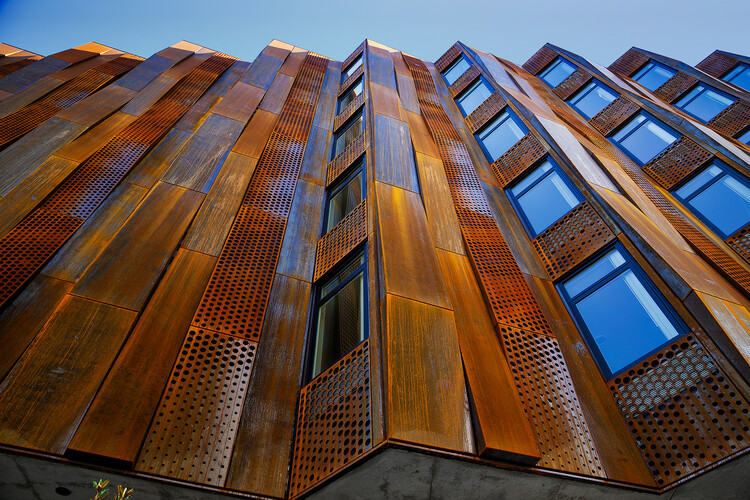
In an era defined by rapid technological advancement and fleeting social media trends, the world of architecture finds itself at a crossroads. On one side, there is the allure of the new novel composites, interactive digital skins, and complex parametric forms designed primarily for shock value and digital virality. On the other lies a quieter, more resilient philosophy: modernism’s enduring commitment to authenticity. This approach does not rely on gimmicks; instead, it derives its visual power from a deep respect for the inherent beauty of raw materials. This is the domain of the timeless facade, where the mantra is not “more is more,” but rather, “truth to materials.”
This comprehensive exploration delves into the core principles of creating timeless modern facades. We will dissect the historical roots of material honesty, examine contemporary case studies that exemplify this philosophy, and provide a detailed guide to the specific materials both traditional and innovative that allow architects to design buildings that do not just age gracefully, but actually improve with time. This is a story about stripping away the superficial to reveal the sublime.
Chapter 1: Defining the Philosophy – Beyond “Less is More”
To understand the modern facade, one must first understand the ideological shift that gave it birth. The late 19th and early 20th centuries saw a rejection of the heavily ornamented, revivalist styles of the Victorian era. Architects grew weary of applying superficial decoration to load-bearing structures; they sought a new honesty. This search crystallized into a core tenet of modernist thought: “Truth to materials” .
This principle is not merely an aesthetic preference; it is an ethical stance. It posits that a material should be used in its most appropriate state, and its inherent properties should be celebrated rather than disguised. A concrete wall, therefore, should not be painted to look like marble. The marks left by wooden formwork are not flaws to be sanded away; they are a record of the building’s creation, a textural autobiography. Similarly, the subtle variations in a brick’s firing or the visible grain of a timber beam are not imperfections to be hidden under layers of paint; they are the very essence of the material’s character .
This philosophy stands in direct opposition to post-modernism and much of contemporary commercial construction, where materials are often selected based purely on cheap initial cost and then disguised to look like something they are not. A vinyl floor printed with wood grain or a concrete block wall sprayed with a faux-stone coating may offer short-term savings, but they lack integrity. Timeless modern facades, by contrast, operate on a foundation of integrity. They seek a harmony between the building, its context, and the nature of its components. As designer Lars Beller Fjetland notes, working honestly with natural materials allows designs to “coexist with architecture, objects, and nature in a harmonious way,” a premise he believes is the “key premise for timeless design” .
Chapter 2: The Anatomy of a Timeless Facade
What transforms a simple wall into a timeless facade? It is the careful orchestration of several key principles that work in concert to create an impression of effortless elegance. It is not about budget; an expensive building can look dated in a decade, while a modest home built with thoughtful restraint can look relevant for a century.
A. Simplicity and Restraint (Elegance Over Excess)
The foundation of any enduring design is the conscious decision to say “no” to unnecessary embellishment. Contemporary trends often push for “more” more textures, more angles, more colors. However, timeless design advocates for subtraction. A facade should be reduced to its essential elements: form, proportion, and material . By eliminating decorative appliqués, the building’s volume and the quality of its surfaces take center stage. This creates a sense of calm and permanence that a busy, over-decorated facade can never achieve.
B. The Role of Light and Shadow
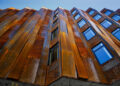
On a flat, monolithic surface, light becomes the ornament. Architects of timeless facades manipulate depth and shadow to animate their buildings. This can be achieved through recessed window openings that create deep reveals, the use of protruding brise-soleil (sun breakers), or the application of three-dimensional textured panels . For instance, fiber cement panels with a linear texture (like EQUITONE [linea]) are designed specifically to capture changing daylight, creating a dynamic “play of light and shadow” that shifts from dawn to dusk . This interaction ensures the facade is never static, despite its minimalist palette.
C. Integration with Landscape and Site
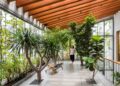
A timeless building appears as if it belongs exactly where it is placed. It responds to its site rather than dominating it. This involves respecting the topography (using stepped foundations on hillsides), orienting the mass to capture natural light and views, and blurring the boundary between inside and out . Floor-to-ceiling glazing on garden sides, as seen in projects like the “Black Pearl” residence, dissolves the barrier between shelter and nature, creating a holistic living experience .
D. Sensory Patina and Aging
Perhaps the most radical departure from mainstream construction is the embrace of aging. In a consumer culture that demands perfection, a scratch on a painted surface is a defect. In the realm of honest materials, change is beauty. Wood does not rot; it patinas to silver-gray. Stone does not stain; it weathers and gains character . A facade designed with this in mind is liberated from the tyranny of maintenance. It is a living skin, documenting the passage of time with dignity.
Chapter 3: A Comprehensive Guide to Honest Materiality
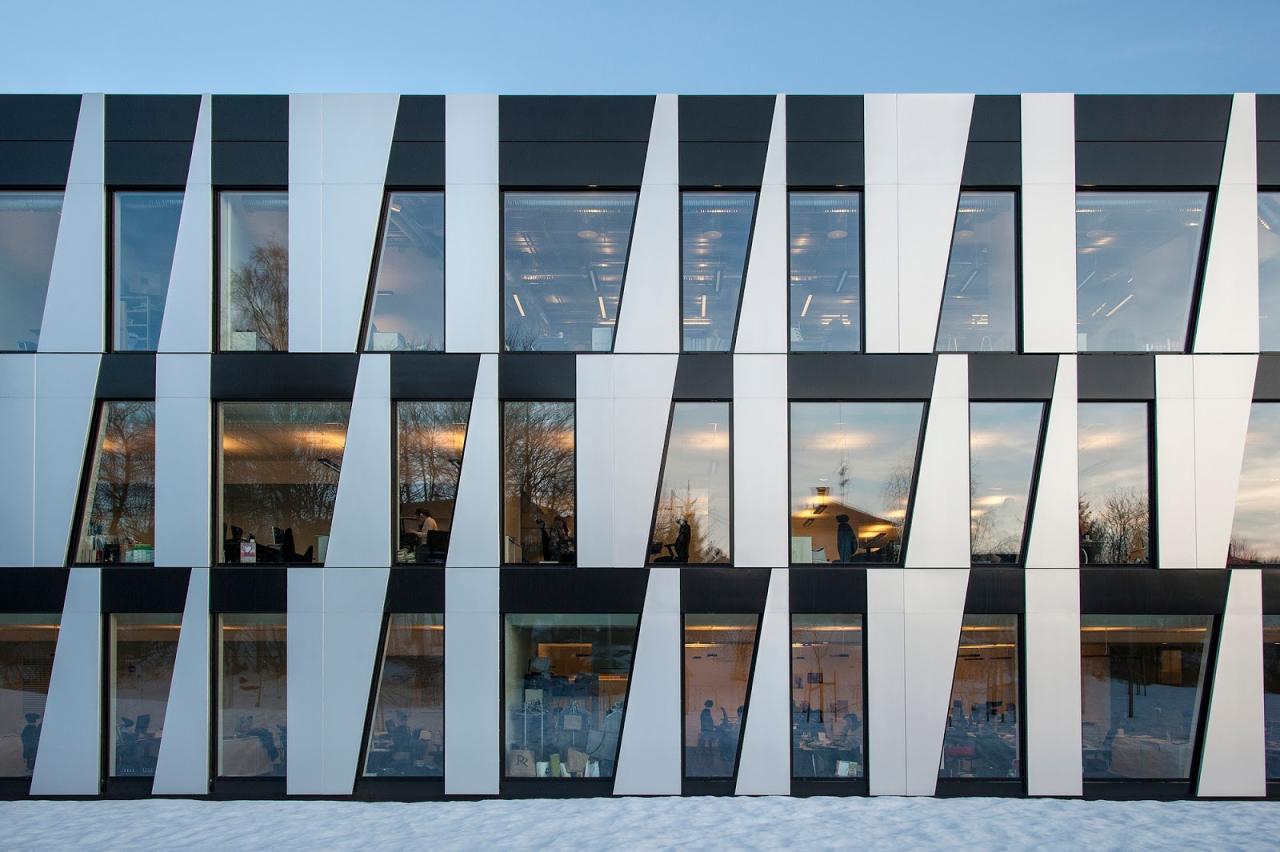
The selection of materials is the single most critical decision in the pursuit of timelessness. Below is a detailed examination of materials that embody the “truth to materials” ethos, ranging from ancient staples to technologically advanced sustainable options.
A. Brick and Masonry: The Modular Legacy
Brick is one of the oldest manufactured building materials, yet it remains thoroughly modern. Its strength lies in its modularity and its tactile humanity. Unlike smooth, flawless cast panels, brick bears the mark of its maker and the clay from which it was formed.
-
Aesthetic: Modern applications favor long-format bricks (such as the Ultima RT 150) which emphasize horizontal lines, creating an elegant, low-slung appearance rather than a traditional chunky wall .
-
Honesty: Brick is left untreated. It is not painted. In the case of the “Black Pearl” project, the dark, matte brick with a subtle texture creates a “monolithic expression” that feels solid and protective. The color is integral to the material, not a painted film that will peel .
B. Modified Wood: The Sustainable Pioneer (Kebony)
Traditional timber cladding requires significant maintenance. However, the introduction of modified wood technology has revolutionized the use of timber in modern facades.
-
The Technology: Kebony utilizes a patented bio-based liquid derived from agricultural waste. When applied to FSC-certified softwoods (like pine), the process permanently modifies the cell walls of the wood. This gives a softwood the durability and density of a tropical hardwood .
-
The Honest Aesthetic: Initially, Kebony Character products exhibit a “deep rich brown color.” However, true to the principle of honesty, it does not fight nature. Over time, exposure to UV rays and rain causes the wood to “develop a natural silver-gray patina” . The facade is designed to change. It openly declares its organic origin, aging gracefully and uniformly without rotting.
C. Fiber Cement: The Chameleon of Substance
Fiber cement is a mineral composite material that has been refined for over a century. It is a testament to how industrial materials can achieve a sense of honesty .
-
Composition: Composed of Portland cement, cellulose fibers, and mineral fillers, it is non-combustible (Euroclass A2), recyclable, and boasts a service life exceeding 50 years .
-
Textural Honesty: Unlike vinyl or aluminum siding that attempts to mimic wood grain, high-end fiber cement (EQUITONE) celebrates its own nature.
-
[natura]: Has a visible, subtle fiber-cement structure with a matte, silky-smooth surface .
-
[tectiva]: Features a rough, unpolished surface. The manufacturing process ensures each panel has a “unique color, texture, and surface.” No two panels are exactly identical, embracing the natural variation of the mix .
-
[linea]: A 3D textured surface that creates shadow lines, emphasizing the rawness of the material .
-
D. Hardwood Screens: Reviving the Breeze Block (Quartile)
The mid-century “breeze block” was a concrete screen block that provided privacy and ventilation. Today, this motif has been modernized not by refining concrete, but by replacing it entirely .
-
The Concept: The Quartile Collection swaps heavy concrete for lightweight, sustainably sourced natural hardwoods.
-
The Honest Application: The wood is not treated with heavy dyes to obscure its species. It is offered in six carefully selected species, each showcasing its distinct grain pattern. The stepped edge of the tile mimics a grout line, referencing the original masonry construction but executed in a material that communicates warmth, not coldness .
E. Stucco and Mineral Plasters
Stucco is perhaps the ultimate expression of monolithic minimalism. It is a cementitious material applied in layers, creating a seamless, skin-like surface .
-
Honesty: True architectural stucco is not synthetic acrylic render (EIFS). It is hard, mineral-based, and breathable. Its value lies in its uniformity and the subtle undulations of a hand-applied finish. It reflects light softly and gives a building a sculpted, excavated quality .
Chapter 4: Technical Execution and Detailing
A design is only as timeless as its ability to stay on the building. Poor detailing is the enemy of longevity. When working with honest materials, the joints, fixings, and substructures become visual elements of the design language.
1. The Ventilated Facade System
Modern materiality almost always works best within the logic of the ventilated facade. This system involves mounting the cladding material on a substructure, leaving a gap of air between the cladding and the insulation/structural wall .
-
Function: This creates a “chimney effect.” Hot air rises and escapes, while cool air is drawn in from below. This passive system regulates temperature, prevents moisture entrapment (which rots buildings), and drastically reduces energy costs for heating and cooling .
-
Aesthetics: It allows for the use of heavy materials (brick, stone, cement) on tall buildings without wet trades, and allows panels to be floated off the wall, creating shadows that enhance the facade’s depth.
2. Joints and Fasteners
In minimalist design, the gap between materials is just as important as the material itself.
-
Open vs. Closed Joints: In fiber cement systems, open joints (an 8-12mm gap) are often left exposed. There is no caulking or sealant to turn black with mold. Instead, the backing is designed to handle water penetration. This is an honest admission that the facade is a rain screen, not a waterproof membrane .
-
Visible vs. Concealed Fixings: Some systems use color-matched screws or rivets visible on the face of the panel. Others utilize concealed undercut anchors. The choice defines the aesthetic industrial and rhythmic versus sleek and seamless .
3. Corner Conditions
The corner is the “moment of truth” for a facade. Wrapping material around a corner seamlessly (such as mitred fiber cement or interlocking brick) suggests a high level of craft. Detailing corners with protective trim profiles adds a functional decorative element, protecting the high-traffic edges while defining the crisp line of the structure .
Chapter 5: Case Studies in Material Honesty
Case Study A: The Black Pearl (Germany)
Architects: BHK Architects
Material: Randers Tegl Ultima Brick
Analysis: This residence demonstrates that dark colors do not have to feel heavy. The architects used a long-format brick to create horizontal banding. The “almost completely closed façade” facing the street prioritizes privacy and protection. The honesty here is in the mass. The brick is not a veneer of faux-stone; it is the primary tactile experience. On the garden side, the honesty shifts to structure large floor-to-ceiling windows openly expose the interior life to the exterior, a truthful expression of the family’s connection to nature .
Case Study B: Oliwski Park & Paprocany Marina (Poland)
Architects: Wolski Architects & RS+ Robert Skitek
Material: EQUITONE Fiber Cement
Analysis: These projects highlight the versatility of mineral composites. In Oliwski Park, the use of [tectiva] panels in varied colors creates a patchwork of texture that avoids monotony. At the Paprocany canoe marina, the [linea] panels on the forest-facing facade are a direct response to the site. The vertical and linear shadows cast by the 3D surface mimic the vertical lines of tree trunks, creating a dialogue between the industrial material and the organic environment .
Case Study C: The Coastal Residence (USA)
Architects: Lindsey Architects
Material: Cedar Siding
Analysis: This project exemplifies the “patina” philosophy. The design is deliberately long, low, and simple, oriented specifically to frame the ocean view. The cedar siding is left untreated. The architect did not apply a stain or sealant to lock in the amber color. Instead, the design anticipates and welcomes the weathering process. The silver-gray patina that develops will harmonize with the muted tones of the shoreline, ensuring the home looks like it has been part of the landscape for decades, not just installed yesterday .
Chapter 6: The Economics of Endurance
Investing in high-quality, honest materials is frequently dismissed as being too expensive. This is a short-sighted view of economics (first-cost bias). When evaluated through the lens of life cycle cost, the argument for honest materials becomes financially undeniable .
A. The Cost of Trends
Trendy finishes are cheap to buy but expensive to own. A highly specific colored stucco or a patterned tile that is fashionable today will be impossible to match in ten years. When a homeowner needs to repair a damaged section, they cannot simply patch it; they often have to re-clad the entire elevation. Furthermore, a home with a highly specific stylistic trend (e.g., “Modern Farmhouse” or “Barbiecore”) is an illiquid asset. It appeals only to buyers who share that specific taste, decreasing resale value .
B. The Value of Patina
Materials like modified wood (Kebony) and stone do not require repainting. The cost of maintaining a painted fiberboard facade over 50 years (scaffolding, labor, paint) far exceeds the initial premium of installing a naturally weathering material. True luxury is the freedom from maintenance, not the accumulation of features that demand constant upkeep .
Conclusion: The Future is Authentic
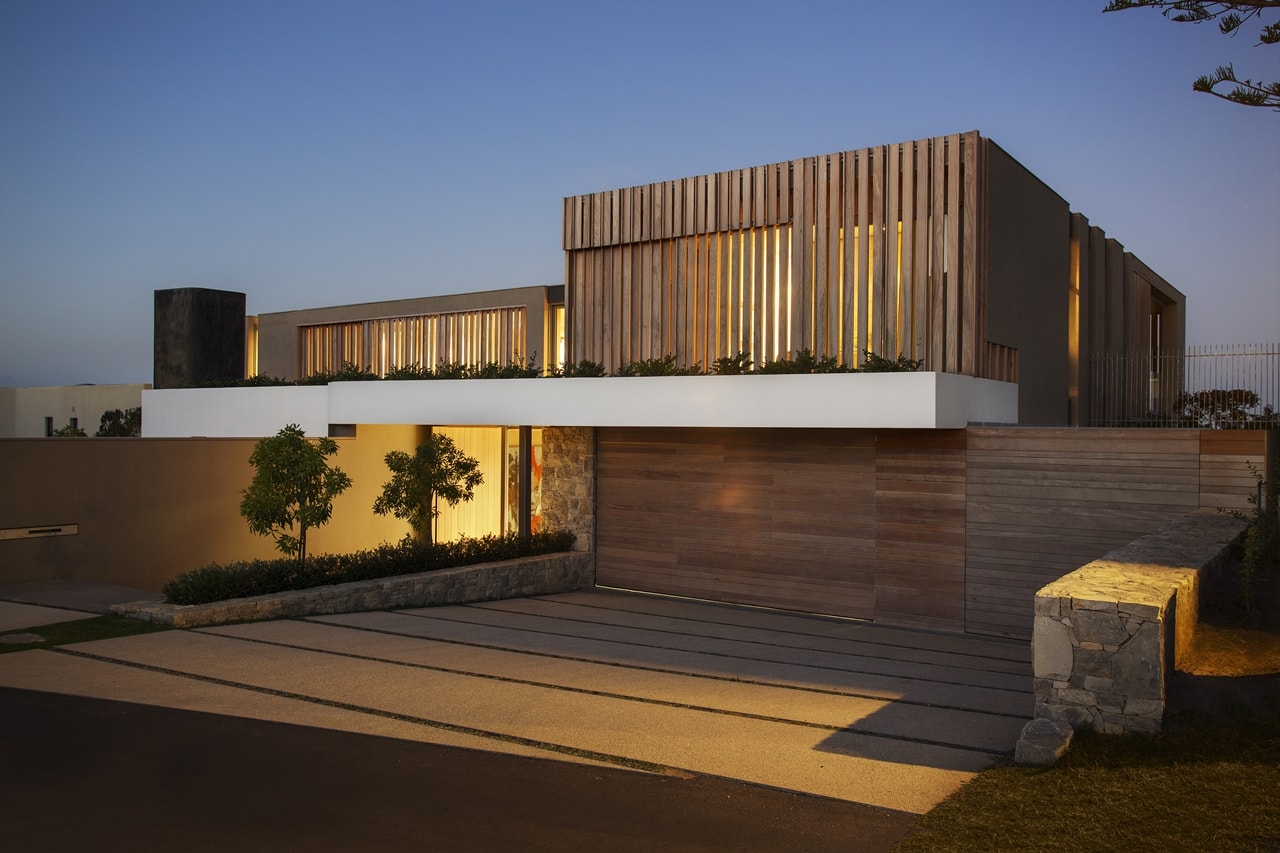
As we move further into the twenty-first century, the noise of the digital world grows louder. In response, our physical spaces must become sanctuaries of calm. The trend of “Honest Materials, Timeless Modern Facades” is not merely a stylistic preference; it is a psychological necessity and an ecological imperative.
We cannot afford to build buildings that are designed to be torn down in thirty years because their plastic coatings have faded and cracked. We must build with materials that contain the memory of the earth stone, brick, wood, and mineral composites. We must design with the humility to allow these materials to age, to tell their story, and to grow more beautiful with each passing storm and ray of sunshine.
The timeless facade does not scream for attention; it commands respect through silence. It proves that a building does not need to be loud to be powerful, nor does it need to be new to be modern. By returning to the truth of what things are, we find the freedom to create what they could be.