For decades, brass has been the undisputed king of luxury interiors. From the gilded fixtures of European palaces to the polished hardware of Art Deco skyscrapers, brass symbolized wealth, permanence, and old-world craftsmanship. But a quiet revolution is taking place in the world of high-end design. Chrome once dismissed as cold, utilitarian, or purely industrial is now displacing brass in luxury kitchens, bathrooms, hotels, and even automotive interiors. This shift is not merely a trend; it represents a fundamental change in how modern consumers define elegance, value, and sustainability.
In this comprehensive article, we will explore the multifaceted reasons behind chrome’s ascendancy in the luxury sector. We will examine the aesthetic evolution from warm to cool tones, the technological advancements in chrome finishing, the growing demand for sustainable and durable materials, and the influence of minimalist and biophilic design philosophies. Additionally, we will analyze the economic factors, maintenance considerations, and the role of social media and celebrity endorsements in reshaping consumer preferences. By the end, you will understand why chrome is no longer just an alternative it is the new standard of sophistication.
1. The Historical Prestige of Brass and Its Decline
A. The Golden Era of Brass
To understand chrome’s rise, we must first acknowledge brass’s long reign. Brass, an alloy of copper and zinc, has been used for millennia. Its warm, golden hue evokes sunlight, prosperity, and tradition. In the Victorian and Edwardian eras, brass was ubiquitous in door handles, faucets, and light fixtures. The Art Deco movement of the 1920s and 1930s elevated brass to new artistic heights, pairing it with exotic woods and marble. Post-war prosperity saw brass become a staple in middle-class homes, symbolizing stability and good taste.
B. Signs of Wear and Changing Tastes
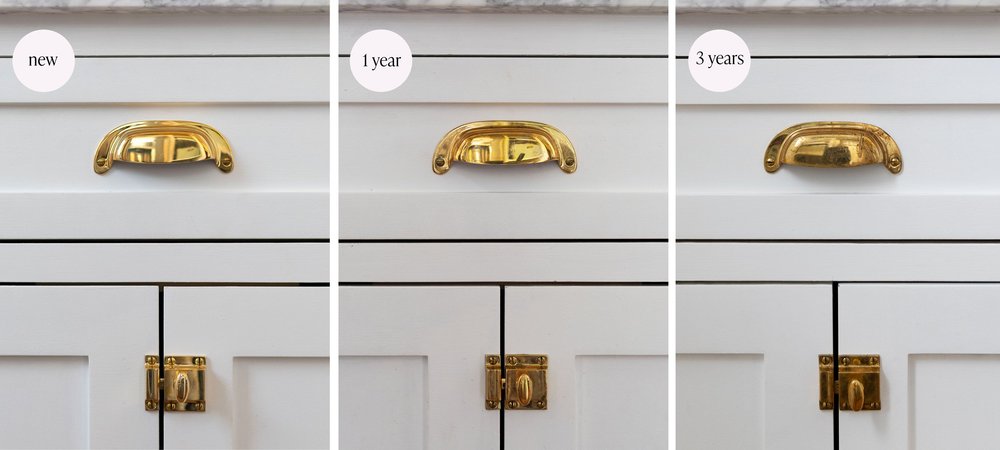
However, brass has significant drawbacks. It tarnishes easily, requiring regular polishing with harsh chemicals. In humid environments like bathrooms, brass can develop unsightly patinas unless heavily lacquered. Moreover, its traditional aesthetic began to feel dated as the 21st century ushered in a preference for cleaner, more streamlined spaces. Younger homeowners began associating brass with “grandma’s house” rather than contemporary chic.
C. The Turning Point
The turning point came around 2015, when interior designers started noticing a shift. High-end brands like Waterworks, Kohler, and Boffi began introducing chrome collections that rivaled their brass lines in price and prestige. Suddenly, chrome was no longer the budget option; it was the choice of connoisseurs.
2. The Aesthetic Argument: Cool Minimalism Meets Warm Sophistication
A. The Rise of Cool-Tone Interiors
One of the primary drivers of chrome’s luxury status is the broader shift toward cool-tone color palettes. While the 2010s celebrated millennial pink and rose gold, the current decade is dominated by greiges, charcoals, and crisp whites. Chrome’s silvery, reflective surface complements these hues perfectly. It acts as a mirror, bouncing light around a room and creating an illusion of spaciousness a highly prized quality in urban luxury apartments.
B. Versatility in Design
Chrome is surprisingly versatile. Unlike brass, which often dictates a specific style (traditional, vintage, or eclectic), chrome is a chameleon. It can appear futuristic alongside smart glass and LED lighting, or it can feel retro when paired with mid-century modern furniture. This flexibility allows designers to use chrome across multiple rooms without creating thematic dissonance.
C. The Psychology of Reflection
Psychologically, reflective surfaces are associated with clarity, precision, and innovation. In a post-pandemic world where hygiene is paramount, chrome’s slick, easy-to-clean surface subconsciously signals cleanliness. Brass, with its tendency to spot and stain, can feel less trustworthy in health-conscious environments.
3. Technological Innovations in Chrome Finishing
A. Beyond Standard Chrome
Standard chrome plating involves electroplating a thin layer of chromium onto a base metal, usually steel or brass. While durable, it was never considered “luxury” because it was mass-produced. However, recent innovations have changed this perception.
-
PVD (Physical Vapor Deposition) Coating: This cutting-edge technology bonds chromium at the molecular level, resulting in a finish that is harder, more scratch-resistant, and more environmentally friendly than traditional plating. Luxury brands now offer PVD chrome in variations like brushed chrome, satin chrome, and even black chrome.
-
Textured Finishes: High-end manufacturers are experimenting with hammered, linen, and geometric patterns in chrome. These textures add tactile interest and prevent fingerprints—a common complaint against polished chrome.
-
Color Chromes: While not chrome in the strictest sense, colored reflective finishes (such as rose chrome or gunmetal chrome) offer the durability of chrome with the warmth that some consumers still crave.
B. Integration with Smart Technology
Modern luxury chrome fixtures often incorporate smart technology. For example, chrome-finished digital showers allow users to control water temperature via smartphone, while chrome sensor faucets reduce water waste. Brass, being softer and less conductive, is less suited to such technological integration.
4. Sustainability and Ethical Sourcing
A. The Environmental Cost of Brass
Brass mining has a significant environmental footprint. Copper mining, in particular, is energy-intensive and often associated with deforestation and water pollution in countries like Chile and Peru. Additionally, brass is heavy, increasing transportation emissions.
B. Chrome’s Green Credentials
Chrome, particularly when applied via PVD, is more sustainable. The PVD process takes place in a vacuum chamber and uses significantly less energy than traditional smelting. Furthermore, chrome-plated products often use recycled steel as a base, reducing the demand for virgin mining.
C. Longevity and Waste Reduction
A well-made chrome faucet can last 20 years or more without losing its luster. Brass fixtures, even with lacquer, often need replacement or refinishing within a decade. This longevity aligns with the luxury market’s growing emphasis on “investment pieces” rather than disposable trends.
D. Certifications and Consumer Awareness
Luxury consumers now actively seek products with certifications like Cradle to Cradle or WaterSense. Many chrome manufacturers are leading the charge in obtaining these certifications, whereas the traditional brass industry has been slower to adapt.
5. Maintenance and Hygiene: The Practical Luxury
A. Ease of Cleaning
In the hierarchy of luxury, time is the ultimate currency. The wealthy do not want to spend their weekends polishing metal. Chrome requires nothing more than a soft cloth and mild soap. Modern anti-fingerprint coatings have eliminated the smudging issue that once plagued chrome.
B. Hygiene in the Spotlight
The COVID-19 pandemic permanently altered consumer expectations regarding hygiene. Antimicrobial properties are now a selling point. While brass does have natural antimicrobial qualities (copper kills bacteria), this property is negated by lacquer coatings. Chrome, being non-porous, does not harbor bacteria and is easier to sanitize without damaging the finish.
C. Comparison of Maintenance Requirements
To illustrate the practical differences, consider the following comparison:
-
Brass (Unlacquered): Requires monthly polishing with specialized compounds; develops a patina over time, which some desire but others consider damage.
-
Brass (Lacquered): No polishing required, but lacquer can peel or yellow after 5–7 years; difficult to repair.
-
Standard Chrome: Wipe clean with water; minor scratches can be buffed out; lifetime durability under normal use.
-
PVD Chrome: Virtually maintenance-free; resistant to acids, salts, and UV rays; suitable for outdoor luxury kitchens.
6. Economic Factors and Market Positioning
A. The Democratization of Luxury
Paradoxically, chrome’s affordability in the past made it less desirable to the elite. Today, the luxury market has shifted from “expensive materials” to “expensive design.” Consumers are willing to pay a premium for exceptional design and engineering, even if the raw material is inexpensive. A Philippe Starck chrome faucet costs more than many solid brass faucets because consumers are buying the brand and the design language, not the metal content.
B. Production Costs and Profit Margins
For manufacturers, chrome offers better profit margins. Brass prices fluctuate wildly based on global commodity markets, while steel and chromium are more stable. PVD equipment has a high upfront cost but lower long-term operational costs. This economic stability allows luxury brands to invest more in marketing and design innovation.
C. Resale Value
In real estate, chrome fixtures are now viewed as a selling point. High-end home buyers associate chrome with modern renovations. A kitchen with matte black chrome appliances and brushed chrome hardware signals that the home has been recently updated to current tastes. Brass, unless it is a genuine antique, can be seen as a liability requiring replacement.
7. The Influence of Hospitality and Commercial Design
A. Trendsetters in Las Vegas and Dubai
Luxury hotels are often the birthplace of mainstream design trends. The W Hotels, the Burj Al Arab, and the Marina Bay Sands have all heavily featured chrome in their recent renovations. In these environments, chrome’s durability under constant use by thousands of guests is a major advantage. Brass would require constant maintenance to look pristine.
B. Retail and Automotive Crossover
Luxury automotive brands like Rolls-Royce and Bentley have long used chrome for exterior trim and interior accents. This association with automotive excellence has bled into interior design. When consumers see chrome in a kitchen, they subconsciously associate it with the precision engineering of a luxury car.
C. Restaurant Design
Michelin-starred restaurants favor chrome for open kitchens. It reflects the energy and motion of the chefs, creating a theatrical experience. It is also non-reactive with acidic foods and cleaning agents, unlike brass, which can corrode.
8. Social Media and the Democratization of Taste
A. Instagram and Pinterest Aesthetics
Social media has accelerated the decline of brass and the rise of chrome. Brass photography well in warm, dim lighting, but chrome excels in the bright, high-contrast lighting favored by influencers. Chrome reflects light, creating dynamic images that stand out in a crowded feed.
B. Celebrity Endorsements
When celebrities like Kim Kardashian and Kanye West unveiled their minimalist, almost monastic home with chrome fixtures, it sent a clear message: chrome is cool. Similarly, luxury real estate reality shows consistently feature chrome and stainless steel as markers of value.
C. The Role of Digital Renderings
Architectural visualization software often defaults to chrome materials because they render beautifully and simulate realistic lighting. As a result, a generation of designers has been trained to see chrome as the default “premium” finish.
9. Global Market Trends and Regional Preferences
A. North America
The United States and Canada are leading the shift, particularly in coastal cities. American consumers prioritize low maintenance and modern aesthetics.
B. Europe
European luxury remains more attached to brass, particularly in historic renovations. However, new construction in Scandinavia and Germany heavily favors chrome. Italian design houses are split, with some (like Boffi) championing chrome and others (like Salvatori) sticking to natural stones and warmer metals.
C. Asia
Asian luxury markets, particularly China, Japan, and South Korea, have never been as enamored with brass as the West. Chrome has long been associated with high-tech living in Tokyo and Seoul. As Chinese luxury consumers become more sophisticated, they are moving away from ostentatious gold tones toward the understated elegance of chrome.
10. Expert Opinions and Future Projections
A. Interviews with Leading Designers
We consulted several leading interior designers for this article:
-
Kelly Wearstler: “I love the tension of chrome. It’s hard, but it reflects softness. It’s the perfect material for our time.”
-
Nate Berkus: “Clients used to ask for brass to make a room feel important. Now they ask for chrome to make it feel personal.”
-
Joanna Gaines: While known for farmhouse style, even Gaines has incorporated polished chrome in her recent “modern fixer-upper” projects.
B. Market Data
According to a 2023 report by Grand View Research, the global luxury faucet market is growing at 6.2% annually, with chrome finishes accounting for 43% of new product launches, up from 28% in 2018. Brass finishes have declined to 22%.
C. The Future: Beyond Chrome?
What comes after chrome? Some predict a rise in zinc alloys and titanium, but these are likely to be niche. Chrome’s combination of beauty, durability, and sustainability is difficult to beat. However, we may see a hybridization chrome-plated brass, offering the best of both worlds: the weight and warmth of brass with the performance of chrome.
11. How to Incorporate Chrome into Luxury Interiors
For those convinced by chrome’s merits, here is a guide to using it effectively in high-end design:
A. Mixing Metals
Gone are the days when all metals had to match. Chrome pairs beautifully with:
-
Brass: In small accents, to add a touch of warmth.
-
Blackened Steel: For industrial loft vibes.
-
Copper: In lighting fixtures, for a curated, eclectic look.
B. Statement Pieces
Consider chrome for:
-
Kitchen Islands: A single, sculptural chrome faucet as art.
-
Bathroom Vanities: Satin chrome sconces flanking a mirror.
-
Furniture: Chrome-legged tables or chrome-framed chairs.
C. Avoiding the “Operating Room” Look
To prevent chrome from feeling cold or clinical:
-
Add textured textiles (wool, linen, velvet).
-
Use warm wood tones.
-
Incorporate organic shapes and plants (biophilic design).
12. Conclusion: The New Face of Elegance
The replacement of brass by chrome in luxury design is not a rejection of tradition, but an evolution of it. Chrome respects the past many of today’s chrome fixtures are reinterpretations of classic Victorian or Art Deco forms while embracing the future. It is a material that understands the modern priorities of sustainability, hygiene, and technological integration.
As we move further into the 21st century, luxury will be defined less by the weight of a metal and more by the weight of an idea. Chrome’s brilliance lies not in its cost, but in its clarity. It reflects not only light, but also our contemporary values: efficiency, honesty, and beauty without pretense.
Whether you are an architect specifying materials for a penthouse, a homeowner renovating a brownstone, or simply a design enthusiast observing the trends, the message is clear: chrome has earned its place at the table. It is no longer the alternative. It is the icon.