

In an era defined by constant notifications, buzzing smartphones, and screens demanding our attention, the concept of peace seems almost obsolete. We have been conditioned to believe that technology must be loud, visible, and interactive to be effective. However, a paradigm shift is underway. The most profound technological advancements today are not those that demand our gaze, but those that fade into the background. This is the age of invisible technology a digital ecosystem so seamlessly integrated into our physical world that it becomes indistinguishable from nature itself.
Welcome to the era where “Invisible Technology, Visible Tranquility” is not just a poetic phrase, but a functional reality. This article explores how ambient computing, smart infrastructure, and minimalist design are converging to strip away the noise of the digital age, restoring calm to our environments and peace to our minds.
The Paradox of Digital Progress: Why Less Interface Means More Humanity
For decades, the tech industry operated under the assumption that more interaction equaled more value. We celebrated touchscreens, applauded voice commands, and marveled at augmented reality overlays. Yet, somewhere along the way, we created a world where humans serve machines rather than the other way around. We swipe, tap, click, and scroll often mindlessly.
Invisible technology rejects this paradigm. It operates on a simple principle: The best technology is that which is felt, not seen. When technology becomes invisible, it removes the cognitive load from the user. You do not need to learn how to interact with it; it learns how to interact with you. This transition from human-computer interaction to human-environment interaction is the cornerstone of visible tranquility.
The Psychology of Digital Clutter
Visible technology creates visible stress. A desk cluttered with cables, monitors, and devices subconsciously signals unfinished tasks. Every blinking LED light is a demand for attention. By removing these visual stressors, invisible technology allows the brain to enter a state of flow. When the tool disappears, the task remains. This is why we are moving toward a future where screens are embedded in walls that look like wood, speakers are woven into fabric, and sensors are as thin as wallpaper.
The Pillars of Invisible Technology: Building a Serene Digital Ecosystem
To understand how invisible technology fosters tranquility, we must break down its core components. These are not separate innovations but interconnected layers working in harmony.
A. Ambient Intelligence: The Environment That Anticipates
Ambient intelligence refers to electronic environments that are sensitive and responsive to the presence of people. In this model, your home does not wait for a command; it understands context. For instance, rather than manually dimming the lights and locking the doors, the house recognizes your bedtime routine and adjusts accordingly. The technology is not displayed on a control panel; it is woven into the architecture.
Example: Philips Hue’s light sensors that adjust based on natural sunlight, or Nest thermostats that learn your schedule without requiring daily programming.
B. Material Innovation: Screens That Disappear
One of the most aggressive invaders of visual peace is the black mirror the screen. Invisible technology tackles this through material science. Researchers are developing transparent displays, reflective screens that mimic mirrors, and projectors that turn any surface into an interface.
Example: LG’s transparent OLED signatures that turn from displays to clear glass, or Samsung’s “The Frame” television that displays art when idle, masquerading as a painting.
C. Voice and Gesture: The Fading Interface
While voice assistants like Alexa and Google Home were initially clunky and visible, the new generation is shifting toward non-contact, natural interaction. Instead of shouting commands at a plastic cylinder, microphones embedded in the ceiling pick up whispers. Gesture recognition replaces the need for remote controls.
Example: Project Soli by Google uses radar to detect hand movements, allowing you to skip songs or adjust volume with a pinch of your fingers no touch required.
D. Biophilic Integration: Merging Tech with Nature
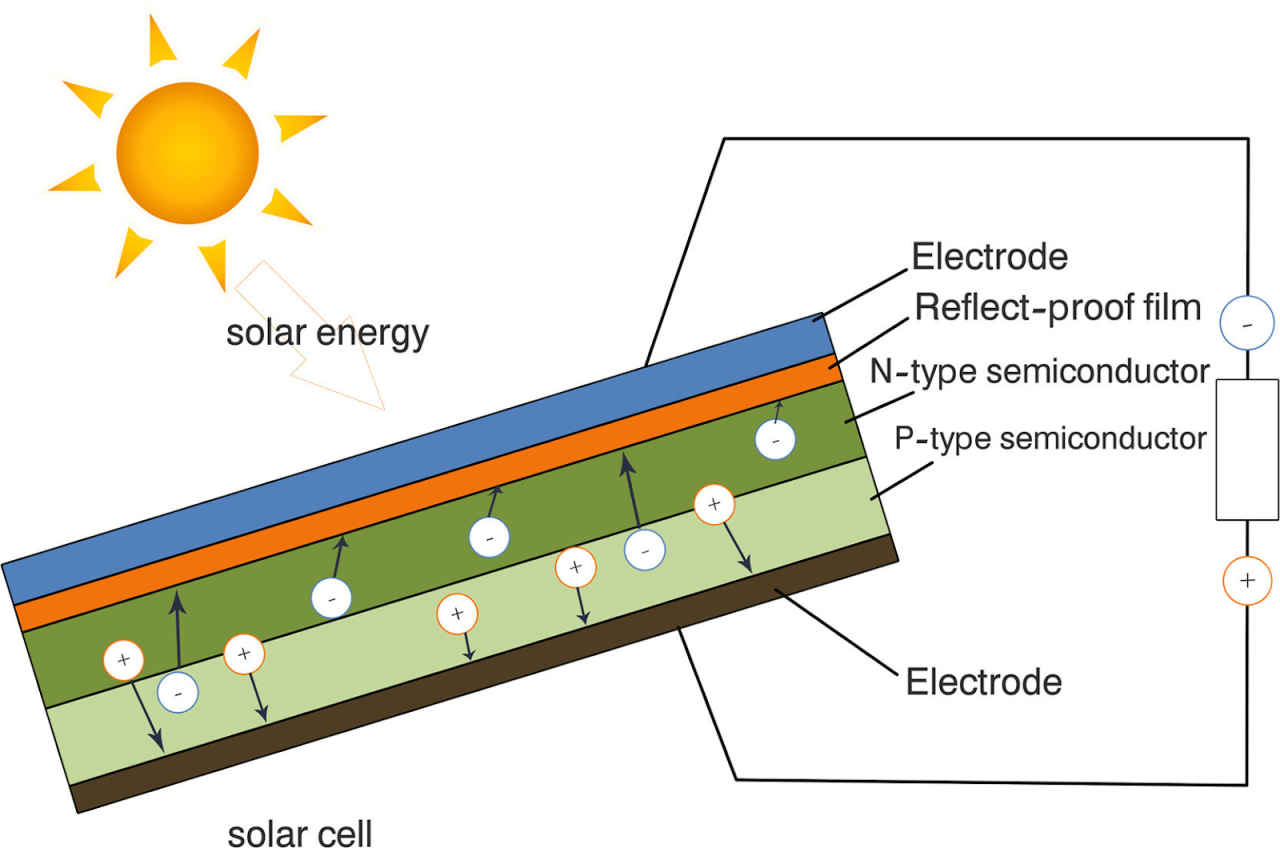
Biophilic design posits that humans have an innate connection to nature. Invisible technology leverages this by disguising itself as organic matter. Solar panels designed to look like terracotta tiles, speakers shaped like river stones, and air purifiers hidden inside plant pots are all examples of this integration.
Example: IKEA’s “Sammanbinda” collection integrates wireless charging into furniture that looks like natural wood, not plastic docks.
The Smart Home Reimagined: Where Tranquility Lives in the Walls
The modern smart home has often been criticized for being a “smart” headache. Too many apps, too many protocols, and too many points of failure. The new wave of invisible technology addresses these pain points by treating the home as a single organism rather than a collection of gadgets.
The Nervous System of the Home
Just as the human nervous system operates without conscious thought, the invisible smart home runs on automated routines. Sensors detect occupancy, humidity, and even air quality. They communicate with central hubs that make micro-adjustments in real time.
A. Lighting: Instead of switches, lighting responds to circadian rhythms. Morning light is energizing; evening light is warm and dim. The user never touches a dimmer knob.
B. Climate: Instead of wall-mounted thermostats, temperature is regulated through floor sensors and infrared body heat detection. You feel comfortable, but you never see the mechanism.
C. Security: Cameras are hidden in doorbells or behind one-way glass. Alerts are sent silently to your wrist, not blared through speakers.
This level of integration results in a home that feels “alive” yet unobtrusive. It supports your activities without interrupting them. This is visible tranquility.
Urban Landscapes: When Cities Breathe Quietly
Invisible technology is not confined to the private sphere. It is reshaping public spaces, transforming chaotic cities into calm ecosystems.
Smart Roads and Silent Traffic
Traditional smart cities relied on visible gantries, cameras, and sensors hanging from poles. The new approach buries intelligence beneath the asphalt. Inductive charging lanes for electric vehicles, pressure-sensitive roads that count traffic flow, and LED markers embedded in the road surface that change in response to weather conditions all invisible to the driver.
The Disappearance of Public Kiosks
Cities used to install large information kiosks with touchscreens. Today, they are being replaced by beacons that push information directly to your smartphone. The kiosk disappears; the information remains.
Noise Pollution Reduction
One of the most tangible benefits of invisible tech is the reduction of noise. Electric vehicles are inherently quieter. Smart traffic management reduces honking by optimizing flow. Even construction equipment is becoming electrified and sound-dampened. The result is an audible tranquility that changes the character of urban life.
The Workplace: Productivity Without the Gadget Graveyard
Offices are notorious for visible technology clutter. Cables snakes across desks, monitors create physical barriers, and meeting rooms are filled with complex AV equipment. The post-pandemic workplace is rethinking this entirely.
The Clean Desk, Digitally Enhanced
Invisible technology in the office means desks that are wireless charging surfaces disguised as wood grain. Monitors are replaced by standing privacy screens that are actually transparent OLED displays. Whiteboards are digital but look like dry-erase boards.
Conferencing Without Equipment
Instead of installing cameras and speakers in meeting rooms, the room itself becomes the device. Microphones embedded in ceiling tiles pick up voices from every corner. Cameras are placed behind the glass of whiteboards, making eye contact feel natural rather than staring at a lens.
The Psychological Impact
Employees report lower stress levels when working in environments devoid of blinking lights and tangled wires. The reduction in “techno-stress” leads to higher focus and lower burnout rates. Visible tranquility is not a luxury; it is a productivity tool.
Healthcare: Healing Through Hidden Monitoring
Perhaps no industry benefits more from invisible technology than healthcare. Hospitals are intimidating, filled with beeping monitors and cold machinery. Invisible technology humanizes these spaces.
Wireless Patient Monitoring
Patients are often tethered to machines by wires, restricting movement and increasing anxiety. New sensor technology allows for continuous monitoring via patches that resemble bandages or even through textile-based sensors woven into hospital gowns.
The Calm ICU
Research shows that noise and light pollution in ICUs hinder recovery. Invisible technology addresses this by eliminating alarm fatigue. Instead of loud sirens, alerts are sent directly to nurses’ smartwatches. Monitors display data only when necessary; otherwise, the screen remains blank or shows soothing imagery.
At-Home Diagnostics
Invisible healthcare extends beyond the hospital. Toilets that analyze urine, mirrors that scan skin for irregularities, and floors that detect falls all without a single button or screen. The user remains blissfully unaware of the diagnostics being performed, yet the peace of mind is profound.
The Ethical Dimension: Privacy in the Age of Invisibility
As technology retreats from sight, a critical question emerges: How do we trust what we cannot see? Invisible technology relies heavily on data vast amounts of it. Sensors are always listening, cameras are always watching, and algorithms are always learning.
Transparency by Design
To achieve visible tranquility, the user must feel safe. This requires a new approach to privacy. Invisible technology must be paired with transparent data policies. Users should not have to read a 50-page terms of service to understand what their thermostat knows about them.
A. On-Device Processing: The most ethical invisible tech processes data locally, not in the cloud. Your face is recognized by your doorbell, but the image never leaves your home.
B. Visual Cues: Even hidden technology should provide subtle indicators when active. A tiny LED, a slight vibration, or an icon on a secondary screen ensures the user remains in control.
C. Opt-Out Physicality: While the ideal is automation, there must always be a manual override. A physical switch, a knob, or a removable battery ensures that the user is never a hostage to the system.
The Risk of Techno-Solipsism
There is a danger that by removing all friction, we also remove all awareness. Invisible technology should enhance human connection, not replace it. The goal is not to create a world where we ignore our environment, but one where we are more present within it.
The Aesthetic of Silence: Industrial Design Meets Invisibility
The visual language of invisible technology is distinct. It borrows from minimalism, Japanese wabi-sabi, and Scandinavian functionality. Surfaces are matte, not glossy. Colors are neutral, not vibrant. Shapes are organic, not angular.
The Disappearance of the Brand
In the past, tech products screamed their brand names. Logos were embossed, backlit, and exaggerated. Invisible technology mutes this. Devices are designed to be anonymous. You should not know who made the speaker in your ceiling; you should simply enjoy the music.
Material Honesty
There is a growing preference for materials that age gracefully. Aluminum, wool, bamboo, and stone are replacing black plastic and chrome. These materials do not scream “technology”; they whisper “craftsmanship.”
The Future: A World Without Interfaces
Looking forward, the trajectory is clear. We are moving toward a zero-UI (User Interface) world. Not because interfaces are bad, but because they are unnecessary.
Neural Interfaces
While still in infancy, neural interfaces represent the ultimate invisible technology. If a computer can interpret your thoughts, there is no need for a keyboard, mouse, or screen. This raises profound questions about identity and cognition, but the tranquility it promises is undeniable.
Self-Healing and Self-Powering Devices
Future technology will not require cables because it will harvest energy from ambient Wi-Fi, heat, or motion. It will not require maintenance because it will self-repair microscopic cracks. It will not require replacement because it will be biodegradable.
The Role of AI
Artificial Intelligence is the engine of invisibility. Without AI, sensors are just data collectors. With AI, they become predictive, empathetic, and silent. The AI of the future does not announce itself; it simply ensures that your environment supports your well-being.
Conclusion: The Quiet Victory of Technology
We have spent two decades worshiping the visible. We celebrated the iPhone’s glass screen, the smartwatch’s glowing face, and the drone’s buzzing wings. But maturity in technology, much like maturity in life, is realizing that the loudest voice is rarely the wisest.
“Invisible Technology, Visible Tranquility” is not a rejection of progress. It is the refinement of it. It is the understanding that the highest form of technology is indistinguishable from magic and that true magic is silent.
As we move forward, the greatest innovators will not be those who invent the shiniest new gadget, but those who make the old ones disappear. They will weave intelligence into fabric, breathe computation into walls, and embed empathy into algorithms. They will give us back our attention, our peace, and ultimately, our humanity.
In this new world, we will not ask “What can technology do?” but rather “What can we do when technology finally stops demanding our attention?” The answer, it seems, is everything.