
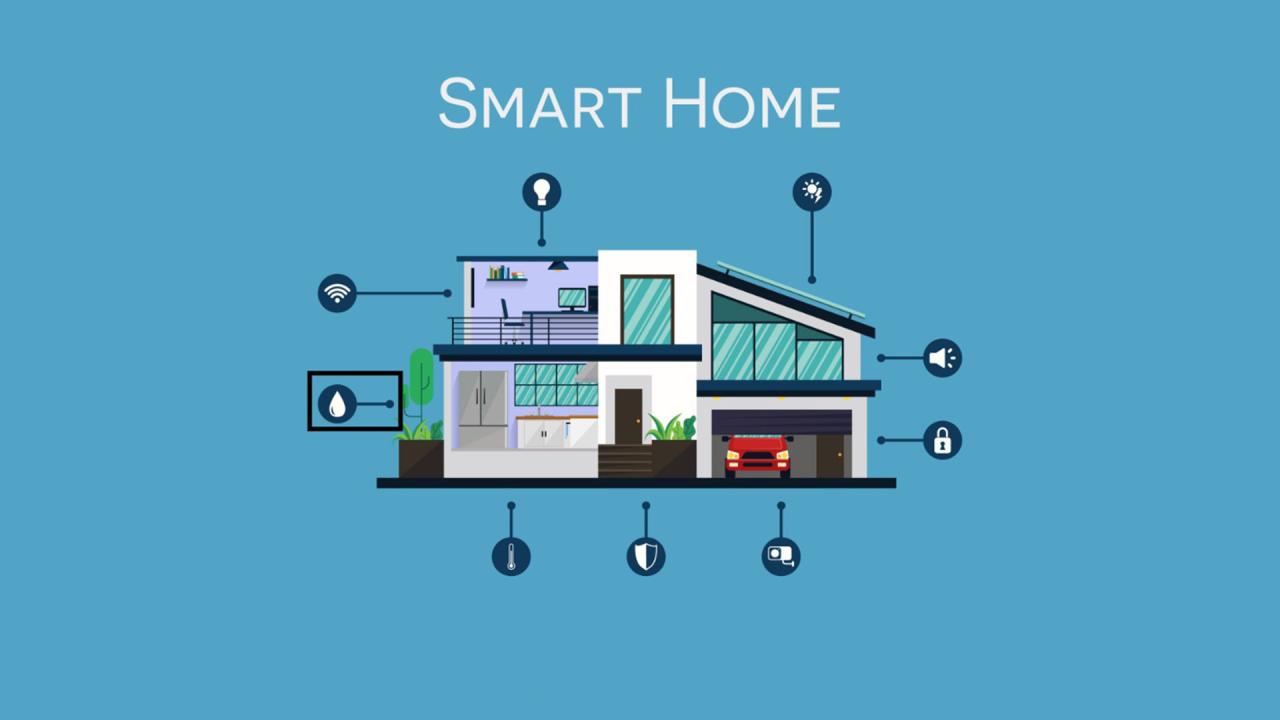
The concept of the smart home has evolved dramatically over the past decade. What once required complex wiring, expensive installations, and clunky control panels has now transformed into an ecosystem of seamless, voice-activated, and AI-driven convenience. Yet, despite these advancements, a new challenge has emerged: technological intrusion. As our homes grow smarter, they also grow noisier not just in sound, but in visual clutter, cognitive load, and constant digital interruption.
Enter Silent Design. Originating from the world of industrial and user experience design, Silent Design refers to the philosophy of creating technology that fades into the background. It is intuitive, invisible, and unobtrusive. When Smart Homes meet Silent Design, the result is not a house full of blinking lights and beeping appliances, but a living space that anticipates needs without demanding attention.
In this comprehensive article, we explore the intersection of smart home technology and Silent Design principles, how they redefine modern living, and what the future holds for homeowners, architects, and tech developers alike.
Understanding Silent Design: A Philosophy of Restraint
Silent Design is not about removing technology it is about refining its presence. The term was popularized by industrial designer Sam Hecht and his work with Ecophon, emphasizing that the best design is the one you do not notice. In the context of smart homes, Silent Design manifests in several key principles:
A. Minimalist Aesthetic Integration
Technology should blend with architecture, not compete with it. Speakers should disappear into walls. Sensors should be embedded in ceiling panels. Wires should be invisible.
B. Predictive Intelligence
Instead of requiring manual commands or even voice prompts, a silently designed home learns from behavior. Lights adjust based on time of day and occupancy. Thermostats learn your schedule. Entertainment systems suggest content without being asked.
C. Frictionless Interaction
If interaction is necessary, it should be natural. Touch surfaces, gesture controls, and ambient interfaces replace remote controls and mobile apps. The goal is zero learning curve.
D. Emotional Calm
A smart home should reduce stress, not increase it. Silent Design prioritizes soft lighting, neutral colors, and absence of notifications. Feedback is delivered through subtle cues a slight hum, a dimmed LED, or haptic feedback.
E. Privacy by Default
Silent Design respects the user’s data. Cameras have physical shutters. Microphones have mute switches. Data processing happens locally whenever possible.
These principles are not merely aesthetic choices they are psychological necessities. Studies have shown that excessive notifications and visual noise contribute to anxiety and cognitive fatigue. Silent Design offers a remedy.
The Evolution of Smart Homes: From Gadgets to Ecosystems
To understand why Silent Design matters, we must first trace the evolution of smart home technology.
1. The Era of Novelty (2000–2010)
Early smart homes were driven by automation enthusiasts. Systems like X10 used power-line communication to control lights and appliances, but they were difficult to install and unreliable. The focus was on functionality, not user experience.
2. The App-Centric Phase (2010–2017)
The rise of smartphones brought smart home control to the masses. Brands like Philips Hue, Nest, and Belkin WeMo offered app-controlled devices. However, this led to “app fatigue” users needed multiple apps to control different devices. The home became a collection of gadgets rather than a unified system.
3. The Voice Assistant Boom (2017–2022)
Amazon Alexa, Google Assistant, and Apple Siri became central hubs. Voice control simplified interaction, but it also introduced new problems: always-listening devices, misinterpreted commands, and the awkwardness of speaking to appliances in shared spaces.
4. The Era of Invisible Intelligence (2023–Present)
Today, the trend is moving toward ambient computing. Devices communicate with each other without human intervention. Matter, the new connectivity standard, allows cross-brand compatibility. AI predicts behavior. This is where Silent Design becomes not just desirable, but necessary.
How Silent Design Transforms Key Smart Home Categories
A. Lighting Systems
Traditional smart lighting relies on apps or voice commands. Silent Design reimagines lighting as an adaptive environment.
-
Occupancy-based illumination: Lights respond to presence, not schedules. They brighten gradually, mimicking natural sunrise.
-
Color temperature tuning: Circadian rhythm programming adjusts warmth and intensity throughout the day.
-
Invisible fixtures: Recessed lighting, cove lighting, and integrated LED strips eliminate visible hardware.
Example: The Philips Hue scene architecture now includes “natural light” recipes that adjust automatically, requiring no user input once configured.
B. Climate Control
Smart thermostats like Nest and Ecobee introduced learning capabilities years ago. Silent Design refines this further.
-
Zonal intelligence: Sensors detect which rooms are occupied and adjust airflow accordingly.
-
Self-calibrating systems: No manual scheduling needed. The system learns from manual overrides and weather patterns.
-
Acoustic discretion: HVAC systems are engineered for near-silent operation, with variable-speed compressors and insulated ductwork.
The result is a home that is always comfortable without the user ever touching a dial.
C. Entertainment and Audio
Home audio has long been dominated by visible speakers and soundbars. Silent Design proposes a different approach.
-
In-wall and in-ceiling speakers: Discreet installations provide high-fidelity sound without visual clutter.
-
Distributed audio: Music follows the user from room to room via geofencing or presence detection.
-
Ambient soundscapes: Instead of turning on the TV for background noise, homes can generate subtle environmental sounds rain, forest, white noise through hidden transducers.
Brands like Sonos and Bang & Olufsen now offer architectural speaker solutions that embody this philosophy.
D. Security and Access Control
Security systems are traditionally obtrusive blinking cameras, keypad panels, motion sensors on walls. Silent Design transforms security into a quiet guardian.
-
Concealed cameras: Pinhole lenses behind mirrors or within smoke detectors.
-
Biometric entry: Fingerprint or facial recognition replaces keys and keypads.
-
Silent alerts: Notifications are sent to mobile devices without audible alarms, unless a genuine threat is detected.
Privacy remains paramount. Features like lens caps and local storage address the “always watching” concern.
E. Kitchen and Appliances
The smart kitchen has seen rapid innovation, but often at the cost of complexity. Silent Design simplifies.
-
Induction cooktops with auto-detection: Pans are recognized, heat is adjusted automatically.
-
Refrigerators with interior cameras: Users can check contents via phone, eliminating the need for screen-laden doors.
-
Dishwashers and ovens with delayed start: Based on energy pricing and usage patterns, appliances operate during off-peak hours silently.
The kitchen becomes a space for cooking and connection, not configuration.
The Psychological Benefits of Silent Smart Homes
The marriage of smart technology and Silent Design is not merely about convenience it has measurable psychological advantages.
1. Reduced Cognitive Load
Every decision a smart home makes on behalf of the user frees mental energy. When you do not have to adjust blinds, set timers, or remember to lock doors, your brain can focus on more meaningful tasks.
2. Lower Anxiety Levels
Constant notifications create a state of low-grade stress. Silent Design replaces alerts with ambient feedback. A soft glow under the door indicates mail delivery. A gentle vibration in the floor signals an open window. The home communicates without shouting.
3. Improved Sleep Hygiene
Blue light and late-night notifications disrupt circadian rhythms. Silent Design homes gradually dim lighting, silence non-essential devices, and maintain cool, quiet bedrooms.
4. Enhanced Social Interaction
When technology recedes, people come forward. A living room without voice assistants shouting responses or screens dominating wall space encourages conversation and presence.
Architectural and Interior Design Implications
Silent Design requires collaboration between architects, interior designers, and technology integrators. Retrofitting is possible, but the philosophy is best realized in new construction or major renovations.
A. Pre-wiring and Infrastructure
Conduits for HDMI, Ethernet, and low-voltage cabling should be embedded in walls and ceilings. Power outlets should be placed behind cabinetry or within closets to hide chargers and hubs.
B. Material Selection
Certain materials absorb sound and diffuse light more effectively. Acoustic panels, fabric-wrapped walls, and matte finishes reduce both audible and visual noise.
C. Furniture Integration
Technology is increasingly embedded in furniture. Coffee tables with wireless charging surfaces. Sofas with USB ports hidden in armrests. Mirrors that display weather and news only when approached.
D. Universal Design Compatibility
Silent Design aligns with universal design principles homes that are accessible to all ages and abilities. Voice control benefits those with mobility challenges. Predictive lighting aids those with visual impairments.
The Role of Artificial Intelligence and Machine Learning
Silent Design is impossible without sophisticated AI. The home must understand context, differentiate between residents and guests, and anticipate needs before they are expressed.
A. Behavioral Pattern Recognition
Over time, AI learns routines. It knows that Monday mornings require faster bathroom heating, while Sunday afternoons are for relaxation and dim lighting.
B. Anomaly Detection
If a resident forgets to close the garage door or leaves the stove on, the system quietly intervenes either by correcting the issue or sending a discrete notification.
C. Natural Language Processing
When voice interaction is necessary, it should feel human. No rigid command structures. No need to say “Alexa, turn on the living room lights to 50%.” Instead, “It’s a bit dark in here” suffices.
D. Edge Computing
To preserve privacy and reduce latency, more processing is moving to local devices. Edge computing ensures that sensitive data video feeds, voice recordings never leaves the home.
Challenges and Criticisms
Despite its promise, Silent Design is not without challenges.
1. Cost Premium
Architectural speakers, custom millwork, and advanced sensors are expensive. Silent Design is currently accessible primarily to luxury homeowners.
2. Complexity of Integration
Matter and Thread standards are improving cross-brand compatibility, but legacy devices often require hubs and bridges that contradict the invisible ideal.
3. User Adaptation
Some users prefer tactile feedback and visible controls. Silent Design must accommodate those who find comfort in knobs, switches, and screens.
4. Privacy Paradox
The more the home knows, the more it can help but also the more data it collects. Transparent data policies and user control are essential.
5. Maintenance and Obsolescence
Invisible technology is harder to repair. When a speaker fails inside a wall, access requires demolition. Manufacturers must ensure long-term support and modularity.
Future Trends: Where Smart Homes and Silent Design Are Headed
The next decade will bring profound changes to residential technology. Silent Design will evolve from a niche philosophy to a mainstream expectation.
1. Bio-Responsive Environments
Homes will respond not only to presence, but to biometric data. Heart rate, skin conductance, and pupil dilation will inform lighting, temperature, and music selection.
2. Kinetic Energy Harvesting
Self-powered sensors that generate electricity from footsteps, door swings, or water flow will eliminate batteries and wired power.
3. Transparent Displays
OLED and micro-LED technology will enable windows and mirrors to double as information displays—only when needed.
4. Robotic Integration
Furniture that reconfigures itself. Walls that shift. Floors that clean themselves. Silent Design will extend to physical automation.
5. Community-Level Intelligence
Smart homes will connect with smart grids, sharing energy loads and coordinating EV charging. The silent home will be part of a silent city.
Practical Steps for Homeowners
If you are convinced by the Silent Design philosophy, you do not need to build a new home to benefit from it. Here are actionable steps to reduce technological intrusion in your existing living space:
A. Audit Your Devices
Identify which smart devices you actually use. Remove those that require constant attention or provide marginal benefit.
B. Consolidate Control Systems
Use platforms like Apple HomeKit, Google Home, or Home Assistant to unify device control. Reduce the number of apps you interact with.
C. Enable Automation Routines
Set up time-based or sensor-based automations. If you always dim the lights at 8 PM, program it once and never think about it again.
D. Conceal Wires and Hubs
Use cable management boxes, wall-mounted brackets, or furniture to hide routers, power strips, and smart speakers.
E. Opt for Local Processing
Choose cameras and voice assistants that offer local storage and processing. Avoid cloud-dependent devices when privacy is a concern.
F. Designate Tech-Free Zones
Even the smartest home should have rooms where screens and speakers are absent. Bedrooms and reading nooks benefit from intentional silence.
Conclusion: The Unnoticed Future
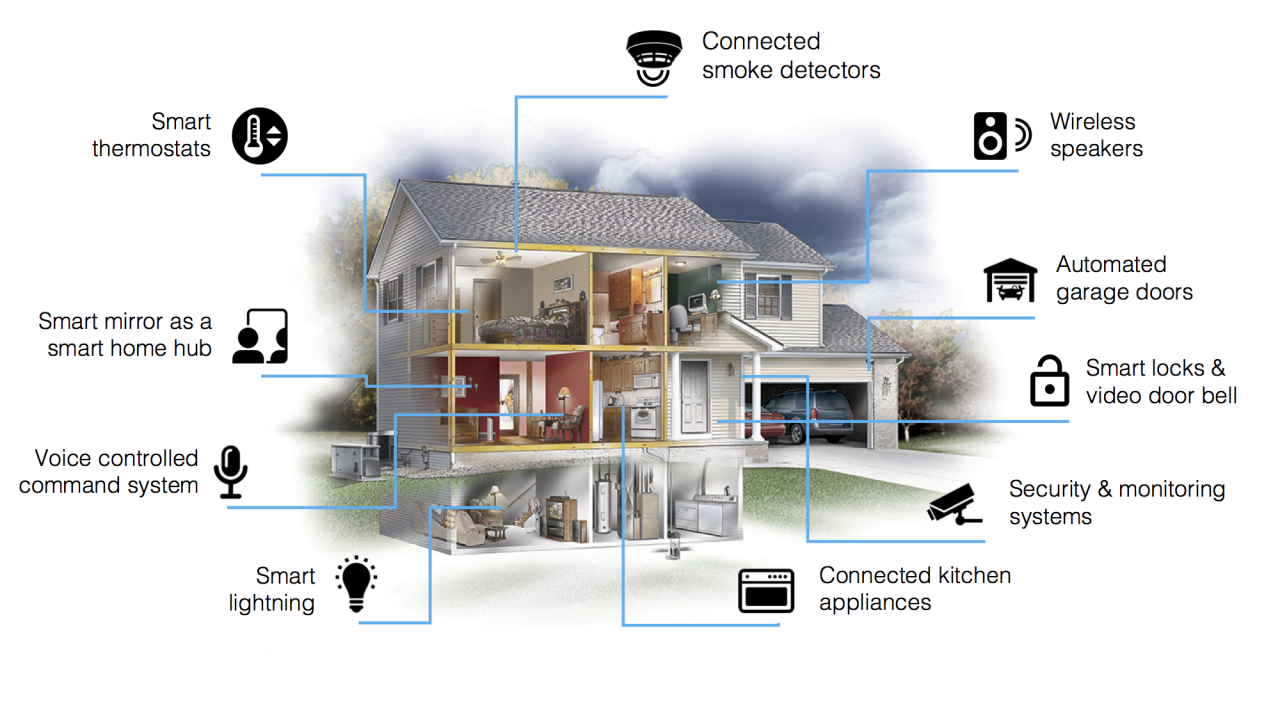
Smart homes and Silent Design are not opposing forces they are complementary halves of a complete vision. Technology should empower without overwhelming. It should respond without demanding. It should exist without intruding.
As we move toward a world of ambient intelligence, the most successful smart homes will be the ones we forget are smart. They will not boast about their capabilities. They will not interrupt our conversations or distract us from our surroundings. They will simply work, silently and reliably, in the service of comfort, security, and peace of mind.
The future of living is not louder. It is quieter. And that silence speaks volumes.