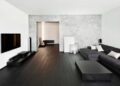
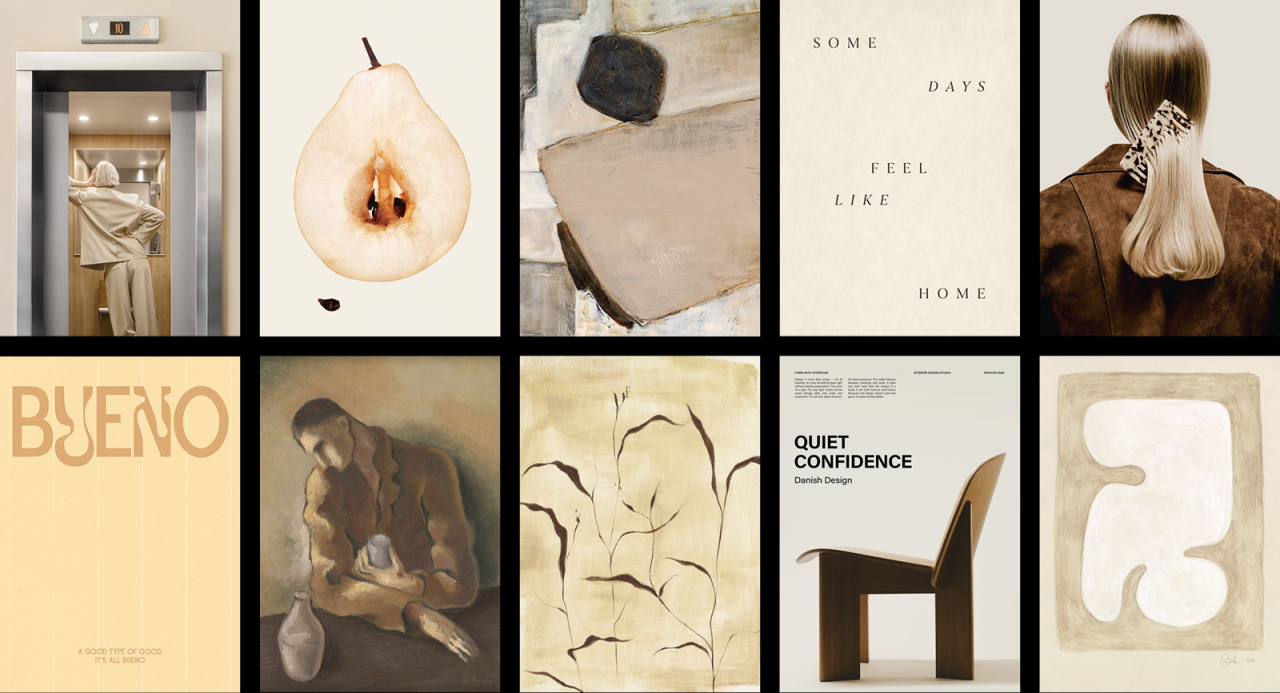
In an era defined by visual saturation and relentless consumption, a quiet revolution is reshaping the way we perceive wealth, status, and well-being. For decades, the concept of luxury was synonymous with conspicuous consumption gold faucets, marble foyers, and designer logos splashed across every surface. Yet today, a new paradigm is emerging. It is subtle, intentional, and deeply personal. This shift represents the tension between two opposing philosophies: curated calm and superficial opulence. While one seeks meaning and longevity, the other chases spectacle and validation. To understand where modern luxury is headed, we must first dissect what these terms truly represent and why the battle between them defines contemporary aesthetics, psychology, and even ethics.
The Anatomy of Superficial Opulence
Superficial opulence is not difficult to recognize. It is the penthouse dripping in crystal chandeliers, the sports car painted in matte gold, the handbag so covered in monograms that it resembles a walking billboard. At its core, superficial opulence is about signaling. It prioritizes appearance over substance, quantity over quality, and immediacy over endurance. This form of luxury is rooted in the age-old human desire for social stratification the need to say, without words, “I have more than you.”
However, the “superficial” label does not imply that this style lacks craftsmanship or monetary value. On the contrary, many objects of opulence are exquisitely made. The critique lies not in the objects themselves but in the intention behind their display. When a home is filled with rare marbles and limited-edition furnishings purely for the sake of impressing guests, it ceases to be a sanctuary and becomes a stage. The residents perform wealth rather than experience comfort.
Psychologically, superficial opulence often correlates with what researchers call “extrinsic goal pursuit.” Individuals who prioritize external validation fame, image, wealth are statistically more likely to experience anxiety and dissatisfaction. The pursuit becomes a treadmill: no matter how many rare artifacts one collects, there is always someone with a rarer piece. This phenomenon is amplified in the age of Instagram and TikTok, where visual one-upmanship has become a spectator sport. A $50,000 watch is no longer just a timepiece; it is content.
Yet, it would be reductive to dismiss superficial opulence as mere vanity. For many, it represents aspiration. It is the visual language of success taught by decades of advertising and pop culture. To rise into opulence is to claim a space historically reserved for aristocracy and celebrities. The challenge, however, is that this language is losing its accent. A growing number of high-net-worth individuals and design enthusiasts are beginning to feel the emptiness behind the glitter.
The Rise of Curated Calm
In direct opposition stands curated calm. This philosophy does not reject luxury but redefines it. Here, luxury is not about how much you have but about how little you need to feel complete. It is the Japanese concept of shibui understated elegance that reveals its beauty slowly over time. It is the Danish art of hygge not through chunky knit blankets alone, but through an environment that nurtures emotional safety.
Curated calm is characterized by restraint. A room designed under this principle may contain only a handful of objects, yet each one carries weight. The furniture is not chosen for its brand but for its ergonomics, material integrity, and the story of its maker. The color palette is muted warm whites, soft greys, earthen tones not because color is offensive, but because noise is exhausting. In a world of constant notifications and information overload, visual silence becomes the ultimate indulgence.
This movement extends far beyond interior design. It influences fashion, where quiet luxury brands like The Row, Loro Piana, and Brunello Cucinelli have displaced logo-heavy houses in the wardrobes of the discerning elite. It influences technology, with a growing market for minimalist smartphones and digital detox retreats. It influences travel, where remote cabins and monastic spas are booked out months in advance. In every sector, the message is consistent: true wealth is the ability to control one’s attention and environment.
Curated calm is also deeply sustainable. By buying fewer, better things, adherents naturally reduce waste. They repair rather than replace. They value provenance over trend. In this sense, curated calm is not just an aesthetic preference but an ethical stance. It acknowledges that the Earth’s resources are finite and that unrestrained consumption even of beautiful things has consequences.
Philosophical Roots: From Thorstein Veblen to Marie Kondo
To fully appreciate this cultural shift, we must trace its intellectual lineage. In 1899, economist and sociologist Thorstein Veblen coined the term “conspicuous consumption” to describe the spending habits of the newly wealthy industrialists of the Gilded Age. These individuals purchased lavish homes and wardrobes not out of need, but to signal their elevated social rank. Veblen’s observations remain startlingly relevant, but the 21st century has added a twist: the internet.
Today, conspicuous consumption is no longer confined to dinner parties and country clubs. It is broadcast globally, 24/7. This hyper-visibility has accelerated the arms race of opulence while simultaneously breeding fatigue. As every corner of life becomes a potential photoshoot, the idea of a private, un-shareable luxury becomes tantalizing.
Enter Marie Kondo, the Japanese organizing consultant who became a global phenomenon not by teaching people to acquire more, but to discard. Her KonMari method asks a radical question: “Does this spark joy?” This simple query shifts the focus from external judgment to internal resonance. It validates the idea that our environments should serve our peace, not our ego.
This is not to suggest that adherents of curated calm are ascetics or minimalists in the extreme sense. They are not sleeping on floors or owning only 100 items. Rather, they are intentionalists. They curate. The word “curate” itself, once reserved for museum professionals, is now a verb applied to Spotify playlists, wine cellars, and Instagram feeds. It implies discernment, expertise, and care. To curate is to edit life into its most meaningful form.
Comparative Analysis: A Side-by-Side Examination
To better distinguish these two philosophies, consider the following comparative breakdown across key domains of life:
A. Philosophy and Intention
-
Curated Calm: Values inner peace, authenticity, and longevity. Seeks to reduce visual and mental noise.
-
Superficial Opulence: Values external perception, status, and immediate impact. Seeks to impress and dominate aesthetically.
B. Material Selection
-
Curated Calm: Prioritizes natural materials like raw linen, untreated wood, unfired clay, and patina-prone metals. Imperfections are celebrated as character.
-
Superficial Opulence: Prioritizes rare or ostentatious materials such as onyx, mirrored surfaces, high-gloss lacquer, and exotic animal hides. Perfection is mandated.
C. Color and Lighting
-
Curated Calm: Employs diffuse, layered lighting and tonal palettes. Light is soft and warm; colors are grounded and harmonious.
-
Superficial Opulence: Often favors dramatic, cool lighting and high-contrast schemes. Gold and chrome accents are common; white marble is a staple.
D. Spatial Design
-
Curated Calm: Embraces negative space. Rooms breathe. Furniture floats away from walls; circulation paths are generous.
-
Superficial Opulence: Tends toward maximalism. Every surface is activated; corners are filled with sculptures or oversized floral arrangements.
E. Technology Integration
-
Curated Calm: Technology is concealed or minimized. Speakers are built into walls, televisions hide behind art, devices are stored out of sight.
-
Superficial Opulence: Technology is displayed as a trophy. Massive televisions, visible sound systems, and smart home panels are showcased.
F. Fashion and Personal Style
-
Curated Calm: Favors timeless silhouettes, neutral palettes, and natural fibers. Logos are absent or discreet. Fit and feel are paramount.
-
Superficial Opulence: Favors trend-driven pieces, bold logos, and recognizable designer items. Outer appearance and brand recognition are key.
G. Social Signaling
-
Curated Calm: Signals through scarcity and knowledge. Only those “in the know” recognize the value of a vintage Jean Prouvé chair or a Kamigata Tokyo blazer.
-
Superficial Opulence: Signals through ubiquity and visibility. The value is clear to both the connoisseur and the casual observer.
H. Environmental Impact
-
Curated Calm: Generally aligned with sustainability. Objects are intended for decades, if not lifetimes. Repair and reuse are embedded in the ethos.
-
Superficial Opulence: Often high-impact. Rapid turnover of trends leads to waste; exotic materials may involve ecological harm.
I. Psychological Outcome
-
Curated Calm: Associated with reduced stress, increased focus, and a stronger sense of identity.
-
Superficial Opulence: Can provide temporary satisfaction but is linked to hedonic adaptation and social comparison anxiety.
J. Cost Profile
-
Curated Calm: High initial cost per item, but lower lifetime expenditure due to durability and timelessness.
-
Superficial Opulence: High acquisition cost with potential for rapid depreciation. Requires constant updating to remain relevant.
The Blurred Boundaries: When Calm Becomes Currency
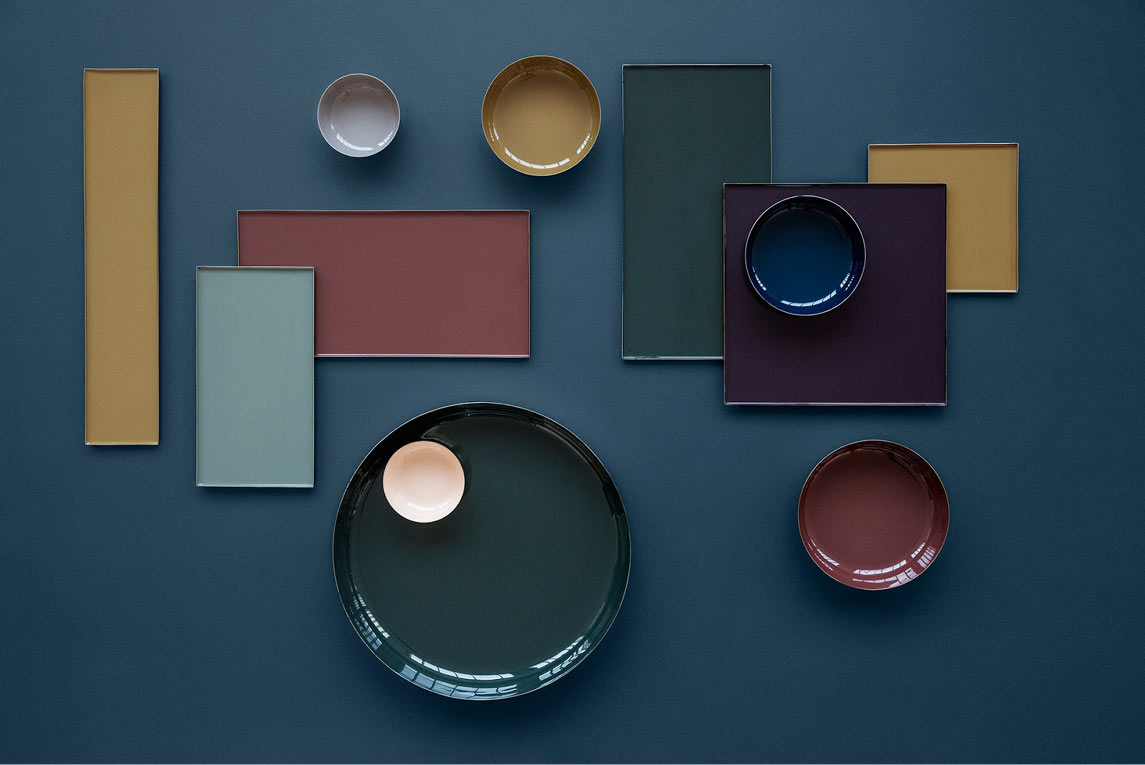
It would be naive to suggest that curated calm exists entirely outside the realm of status. Indeed, quiet luxury has become the new signal of the ultra-sophisticated. A cashmere coat with no visible branding may cost $6,000 more than a logo-covered equivalent from a mainstream fashion house. A hand-thrown ceramic bowl by a Japanese master can fetch five figures. In this sense, curated calm has its own form of opulence, one that is simply less legible to the masses.
This creates a fascinating dynamic. The wealthy individual who chooses a minimalist Le Corbusier villa over a neoclassical mansion is still displaying wealth; they are just displaying it to a smaller, more educated audience. This is what French sociologist Pierre Bourdieu termed “cultural capital” the ability to decode and appreciate high culture. Curated calm, therefore, is not the death of status signaling but its evolution. It moves from shouting to whispering.
Yet, this whisper is often more powerful. In a world saturated with noise, the ability to whisper commands attention. It suggests confidence. It suggests that one does not need validation from strangers. This psychological security is, paradoxically, the very thing that superficial opulence tries and fails to buy.
The Commercial Response: How Brands Are Adapting
Luxury brands, ever sensitive to cultural winds, have taken notice. The past five years have seen a marked shift in advertising language. Keywords like “heritage,” “artisanship,” and “timelessness” have replaced “exclusive” and “glamorous.” High-end real estate developments now market “wellness amenities” and “biophilic design” rather than just square footage and proximity to nightlife.
Automotive manufacturers like Volvo and Polestar have built entire brand identities around Scandinavian minimalism and sustainability, directly challenging the wood-and-leather opulence of traditional luxury marques. In hospitality, boutique hotels emphasize local craftsmanship and sensory deprivation think dark, quiet lobbies with no check-in desk, only a calm host with an iPad.
Even the technology sector, long obsessed with speed and specs, is pivoting. The rise of “dumb” phones, e-ink tablets, and software that grays out your screen to encourage breaks all speak to a collective craving for calm. These products are marketed not as downgrades but as upgrades to quality of life.
The Future: Toward a Hybrid Definition of Luxury
As we look ahead, it is unlikely that either curated calm or superficial opulence will achieve total dominance. Human nature is too varied, and cultural cycles too predictable. What we are witnessing instead is a broadening of the luxury vocabulary. There will always be occasions for spectacle a gala, a milestone anniversary, a piece of architecture meant to inspire awe. Likewise, there will always be a need for sanctuary.
The most sophisticated consumers and designers are those who can code-switch: deploying opulence when the context calls for celebration, and calm when the soul requires restoration. This is the true definition of modern luxury: not allegiance to a single aesthetic doctrine, but the freedom and wisdom to choose what serves the moment.
In this sense, the debate between curated calm and superficial opulence is not a war with a winner, but a dialogue. It forces us to ask difficult questions: Why do we own what we own? Whose gaze are we designing for? What do we want our spaces and our bodies to say about us and to whom?
Conclusion: The Quiet Triumph of Intention
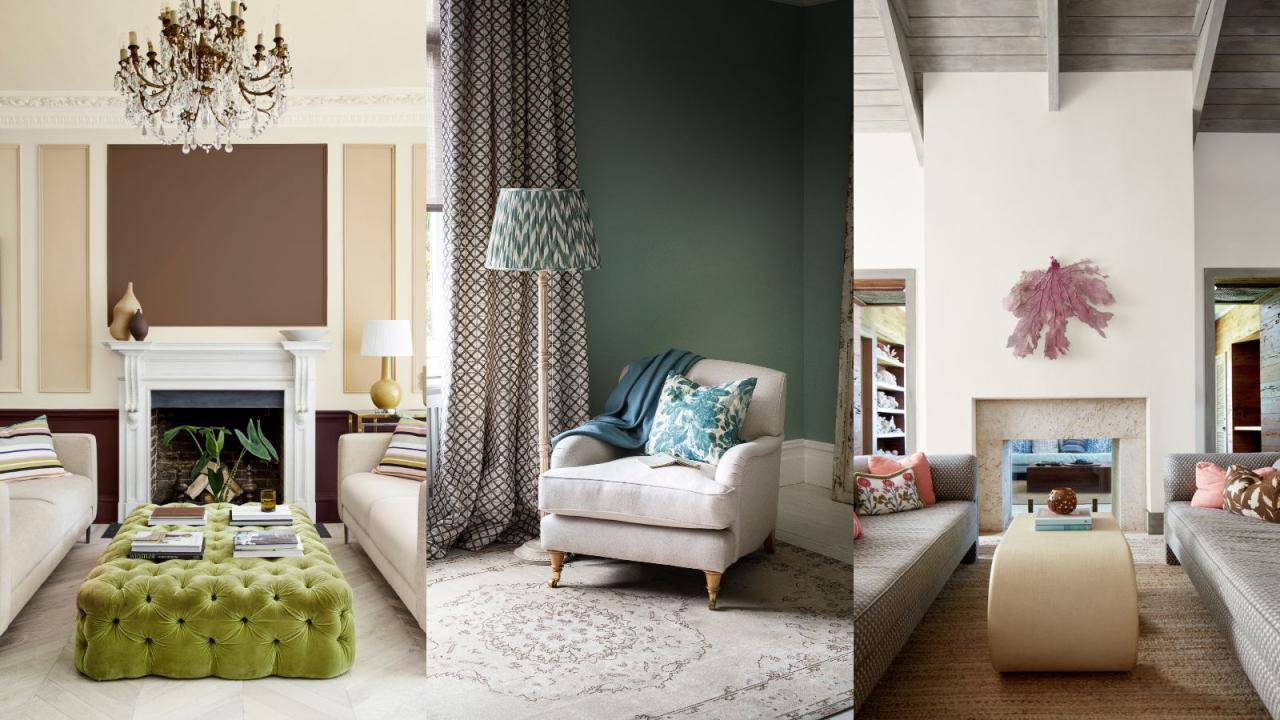
The pendulum of taste will continue to swing. But one thing is certain: the era of unexamined consumption is ending. Whether one leans toward the serene minimalism of a Japanese teahouse or the exuberant grandeur of a Baroque palace, the common thread among today’s tastemakers is intentionality. Every object, every texture, every square foot is now subject to scrutiny.
Curated calm teaches us that less is not always more but better is always better. It reminds us that our homes should not look like showrooms, and our wardrobes should not resemble costumes. It champions the idea that the greatest luxury is not the ability to acquire, but the ability to appreciate.
Superficial opulence, for all its flaws, reflects a very human desire to dream beyond one’s station. It is aspirational, optimistic, and unapologetically bold. Yet without the grounding influence of calm curation, it risks becoming hollow a gilded cage rather than a liberated life.
Ultimately, the path forward lies not in choosing one over the other, but in learning to listen to our own needs rather than the demands of the market. In that quiet act of listening, we may just find the rarest luxury of all: the freedom to define success on our own terms.