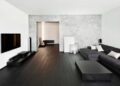
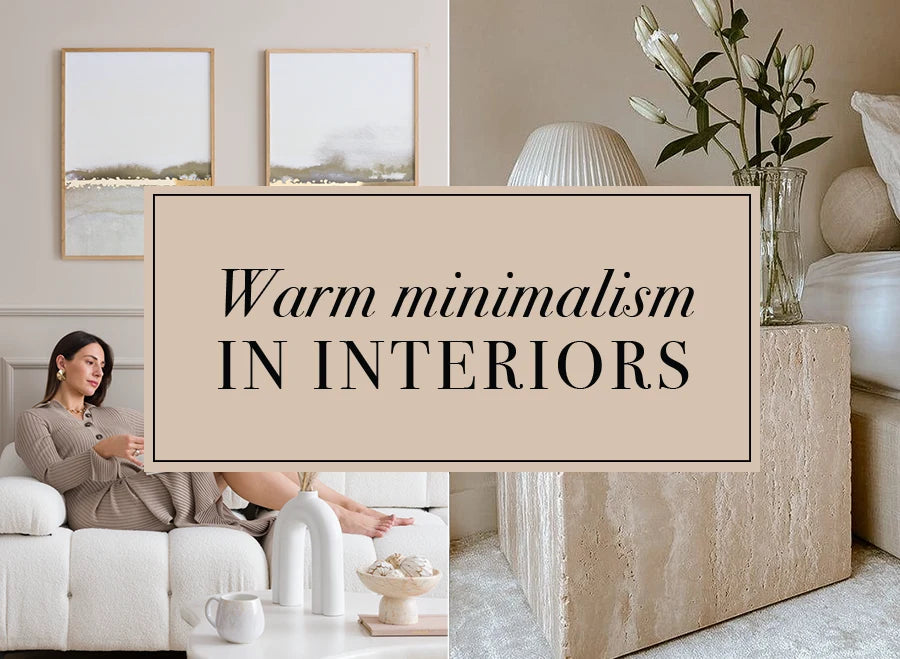
For the better part of the last decade, the aesthetic of aspiration was defined by a cold, clinical edge. Interior design blogs, luxury real estate brochures, and social media feeds were saturated with images of what can only be described as gallery-style living: cavernous white walls, polished concrete floors void of any texture, glossy surfaces that reflected nothing but light, and furniture arrangements that felt more like museum exhibits than spaces meant for Sunday morning coffee. This was the era of stark perfection a visual language that preached purity but often delivered sterility. However, as we navigate through 2026, a profound and welcome transformation has taken root in the world of design. The cold has thawed. The rigid has softened. The impersonal has become deeply personal.
This new movement, now undeniably the dominant force in residential and commercial architecture, is known as Warm Minimalism . It is not merely a rejection of its predecessor, but rather a sophisticated evolution. It asks the question: What if we kept the quiet, but added the soul? The answer is an interior landscape that feels intentional yet relaxed, curated yet lived-in, and simple yet profoundly comforting. This article explores the depth of this shift, moving beyond surface-level aesthetics to understand why we are abandoning stark perfection and how to authentically cultivate a home that breathes warmth, embraces imperfection, and stands as a sanctuary for the modern human experience.
The Philosophical Divorce from Sterility
To understand where we are going, we must acknowledge where we have been. Traditional minimalism, often referred to as “stark minimalism,” was heavily influenced by the strict functionalism of the Bauhaus and the industrial rawness of mid-century urban lofts. While visually impressive, this approach often prioritized the idea of living over the act of living. It created spaces that looked perfect for photographs taken at a specific angle at 2:00 PM, but felt inhospitable at 10:00 PM on a rainy Tuesday. The rules were rigid: “Thou shalt not have clutter” became “Thou shalt not have personality.” The result was a form of aesthetic tyranny where a single book left on a coffee table could ruin the entire “vibe” .
Warm minimalism dismantles this tyranny. It maintains the core tenet of minimalism intentionality but discards the associated coldness. It acknowledges that human beings are not static sculptures; we are messy, sensory, and emotional creatures. We need visual rest, yes, but we also need tactile stimulation. We need order, but we also need evidence of life. As Maria O’Brien, Head of Design at Ruggable, notes, the mood of 2026 is no longer about conforming to rigid trends or maintaining “showroom-perfect” conditions . Instead, it is about emotional resonance. This philosophical divorce from sterility is the recognition that a home should be a backdrop for your life, not the main event itself .
The Anatomy of Warmth: Deconstructing the Palette
The most immediate and noticeable departure from stark perfection lies in the color wheel. For years, the minimalist palette was a hostage of the cool spectrum. “White” meant a blinding, pharmaceutical bright white. “Grey” meant the cold, hard color of a February sidewalk in the rain. Warm minimalism has issued a pardon for these hues and replaced them with their kinder relatives.
A. The New Neutrals
The foundation of warm minimalism rests upon a revised interpretation of neutral. We are seeing the ascension of what designers call “off-whites with intention.” Think creamy magnolias, the soft yellow-white of fresh butter, and the gentle beige of raw linen. Greys have not been eliminated, but they have been “greiged” infused with taupe and brown undertones that ground them in earth rather than concrete. Taupes, biscuits, and sands are no longer considered “boring” but are revered for their ability to serve as a cocooning backdrop .
B. Earthy Accents and Saturation
While the base remains neutral, Warm Minimalism is not afraid of color. It simply uses color differently than maximalism. Instead of shocking the senses, color is used to wrap around the occupant. This is where hues like rust, terracotta, muted ochre, and sage green enter the conversation . These colors are grounded in nature; they evoke the specific feeling of dry clay, autumn leaves, or the shaded floor of a forest. They provide “earthy vibrancy”—color that has depth and maturity rather than loudness .
C. The “Dopamine” Connection
Interestingly, the move away from stark white is also linked to neuroscience. Stark environments, while perceived as “clean,” can actually heighten anxiety and stress due to a lack of visual stimuli for the brain to rest upon. In contrast, the warm spectrum signals safety to our ancient lizard brains; in nature, warm colors often indicate shelter, fire, and ripe sustenance . By replacing stark whites with warm neutrals, we are essentially telling our nervous systems, You are safe here. You can stay.
Texture Over Flatness: The Tactile Rebellion
If color is the body of warm minimalism, texture is its heartbeat. In the era of stark perfection, surfaces were designed to be seen, not touched. High-gloss lacquer, polished chrome, and seamless plastic were the materials of choice because they reflected a futuristic, machine-made ideal. Warm minimalism stages a rebellion against the “machine-made” in favor of the “hand-touched.”
A. The Return of the Handmade
There is a palpable shift away from the anonymity of industrial production. We are witnessing a renaissance of artisan crafts. Hand-thrown ceramics with visible finger ridges, irregular glaze drips, and asymmetrical forms are prized over perfectly round, factory-perfect porcelain. Hand-dyed textiles, woven wall hangings, and pieces made by local artisans bring a soulful, human error into the space . This is a direct reaction against the perfection of the digital age; in a world rendered in flawless pixels, the bumpy texture of a handmade vase is a relief.
B. Layering as a Sensory Experience
The key to mastering texture in this trend is layering. However, unlike the layered clutter of bohemian styles, warm minimalism layers with restraint. The goal is depth, not density. Imagine a foundation of wide-plank oak flooring, lightly wire-brushed so you can feel the grain under your socks. Upon this sits a jute or sisal rug with a coarse, nubby feel. On top of that rug rests a sofa upholstered in a slubby, raw linen not smooth and crisp, but soft and slightly rumpled. Draped over the arm of that sofa might be a chunky knit wool throw in a cream tone .
C. The Material “No-Go” Zone
To achieve authenticity, certain materials must be avoided. High-gloss plastics, synthetic microfibers that feel cold to the touch, and glossy laminates detract from the organic narrative. The rule of thumb is simple: if it looks like it was extruded from a machine in under five minutes, it likely lacks the “warm” factor. Instead, materials must show their origin—wood should show grain, stone should show veining, and linen should show slubs .
The Shape of Serenity: Form Follows Comfort
Stark perfection was obsessed with the straight line. Right angles symbolized control, rationality, and efficiency. However, the psychology of geometry is now being reconsidered. Recent studies in environmental psychology suggest that sharp, pointed angles in furniture and architecture can subconsciously trigger the amygdala—the part of the brain responsible for processing threat and fear. Essentially, living among sharp edges keeps us in a low-grade state of alert .
A. Biomorphism and the Curve
Warm minimalism replaces the right angle with the radius. Furniture silhouettes are becoming softer, rounder, and more sculptural. Sofas feature deep, cushiony backs and rounded armrests that seem to embrace the sitter. Coffee tables are moving away from sharp rectangles to oval, kidney, or circular shapes. Chairs, particularly accent chairs, are taking on organic, pod-like forms that wrap around the body . This isn’t just a stylistic choice; it’s a therapeutic one. Curves suggest nurturing, shelter, and fluidity the exact opposite of the rigid corporate aesthetic of the past.
B. The “Anti-Statement” Piece
In the past, furniture was often chosen to dominate a room to assert status. Warm minimalism prefers furniture that settles into a room. Pieces are chosen for their quiet confidence rather than their loudness. A solid oak dining table with slightly rounded edges and a natural oil finish doesn’t scream for attention; it invites you to pull up a chair and rest your elbows. It is functional art, but it is humble art.
Imperfection as a Feature, Not a Bug
Perhaps the most liberating aspect of this movement is the complete recontextualization of “flaws.” Wabi-sabi, the ancient Japanese philosophy of finding beauty in imperfection and transience, has fully migrated from niche design circles into the mainstream . This is the ultimate antithesis of stark perfection.
A. The Vintage Imperative
Stark minimalism demanded newness. Everything had to be purchased from a high-end showroom, still wrapped in the scent of fresh factory sealant. Warm minimalism, conversely, celebrates age. A mid-century modern sideboard with scratches in the surface tells a story. A worn leather armchair that has developed a rich patina over decades is considered more valuable than a brand-new replica. This shift has accelerated the “vintage market” and the desire for heirloom pieces. It encourages a “hunter-gatherer” approach to decorating, where the thrill is in the find, not the transaction .
B. The Un-made Bed Aesthetic
There is a specific visual language to this acceptance of imperfection: the perfectly messy bed. Unlike the military-grade hospital corners of old minimalism, the warm minimalist bedroom features linen sheets that are allowed to wrinkle. Pillows are plumped, but not stacked like building blocks. A throw blanket is tossed over the foot of the bed, slightly askew. It signals that this room is for sleeping and loving and dreaming, not for a photo shoot .
Biophilia: Nature as Co-Designer
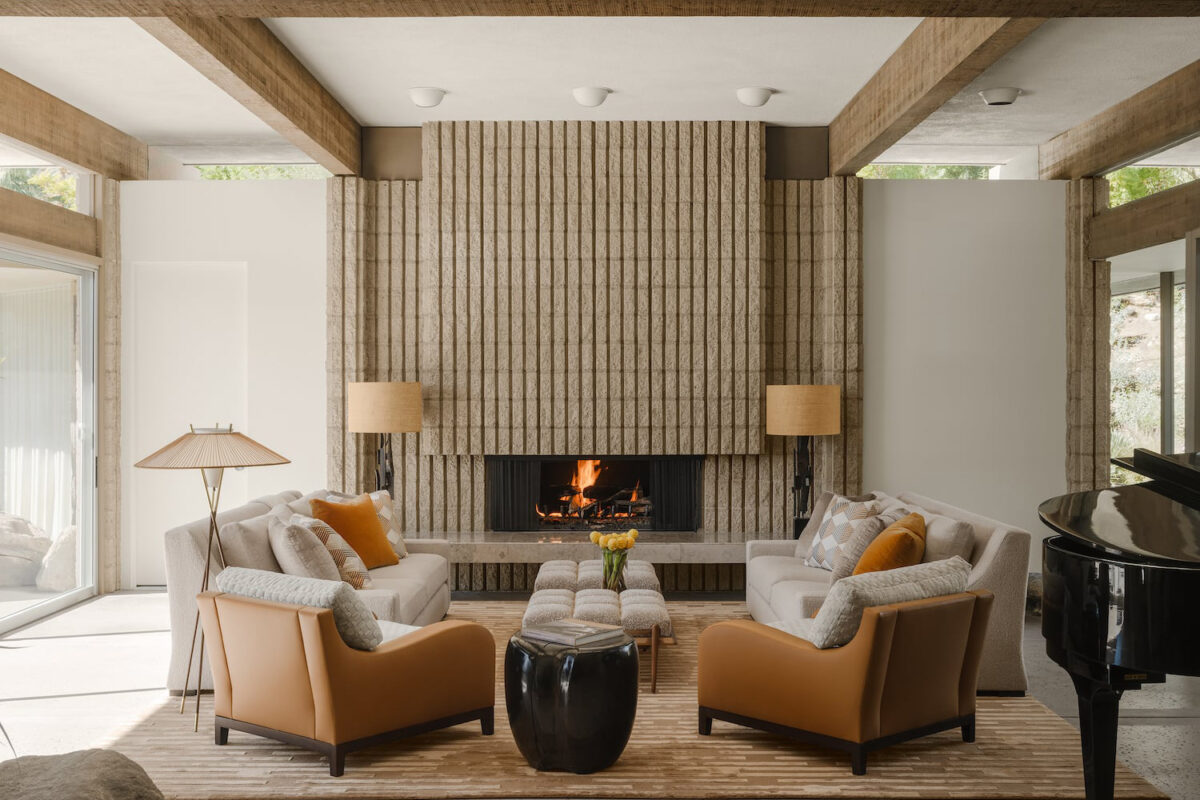
Warm minimalism cannot exist in a vacuum; it requires a connection to the living world. This extends far beyond simply “adding a plant.” It is a holistic approach known as Biophilic design, and it has become a non-negotiable pillar of the 2026 aesthetic .
A. Blurring the Threshold
Architecturally, the distinction between indoors and outdoors is dissolving. This doesn’t just apply to sprawling suburban homes with retractable glass walls. In urban apartments, it manifests as the strategic placement of large mirrors to reflect sky and trees, the use of raw stone cladding on a single accent wall, or the installation of a green wall (vertical garden) in a kitchen or balcony .
B. Natural Light as a Raw Material
Stark perfection often treated windows as just another wall to be covered. Warm minimalism treats natural light as a primary building material. Sheer, gauzy linen curtains are preferred over blackout drapes because they filter and soften light, casting a diffused glow across the room. The movement of shadows throughout the day becomes a feature of the home’s design, reminding the inhabitants of the passage of time and their place within the natural cycle.
The Fifth and Sixth Walls: A Canvas for Expression
As we strip away the clutter from the floor and furniture, our gaze naturally travels upward and downward. Designers in 2026 are identifying a major trend: the activation of the “Fifth Wall” (the ceiling) and the “Sixth Wall” (the floor) .
A. The Decorated Ceiling
In a warm minimalist home, the ceiling is no longer just an overhead cover. It is being painted in soft, color-drenched hues that match the walls, creating a cohesive, immersive “cocoon” effect. Imagine a living room where the walls are a soft terracotta, and the ceiling is the exact same shade. The boundaries of the room dissolve, creating a sense of infinite, womb-like comfort .
B. The Patterned Floor
Conversely, floors are moving away from uniform monotony. While stark perfection demanded seamless flooring without variation, warm minimalism welcomes the “tiny tile.” Small-format mosaic tiles, encaustic cement tiles, and patterned wood inlays are making a comeback, particularly in entryways, mudrooms, and bathrooms. These surfaces add detail and craftsmanship underfoot without disrupting the clean sightlines of the room .
Sustainability: The Ethics of Warmth
One cannot discuss the rejection of “stark perfection” without addressing the underlying ethical shift. The old model of minimalism often masked overconsumption; homeowners would throw out their “old” neutral sofa to buy the “new” neutral sofa to keep up with the trend of the month. Warm minimalism, by emphasizing longevity and craftsmanship, is inherently sustainable .
A. Conscious Consumption
The mantra is shifting from “buy less” to “buy better.” This involves investing in pieces constructed from reclaimed wood, recycled metals, and organic, non-toxic fabrics. It means choosing a sofa that is heirloom-quality, with a frame that will last thirty years and cushions that can be re-stuffed. It rejects the disposable, flat-pack culture that defined the early 2000s .
B. Energy and Efficiency
Warm minimalism also aligns with passive house principles. By utilizing large, energy-efficient windows for passive solar heating, thermal mass in concrete or stone floors to regulate temperature, and warm-toned LED lighting, this design philosophy reduces the carbon footprint of the home while simultaneously increasing the comfort of the inhabitant .
How to Curate Your Own Warm Minimalist Sanctuary
Transitioning your home from stark perfection to warm minimalism is not about discarding everything you own and starting over. It is an evolution, a process of curation and layering. Here is a comprehensive guide to achieving this look, broken down into actionable steps.
A. The Audit: Decluttering with Emotional Intelligence
Before you buy anything new, you must edit what you have. However, unlike the ruthless discarding of traditional minimalism, warm minimalism requires emotional intelligence.
-
Sort by Category: Group similar items together (e.g., all books, all ceramics, all textiles).
-
The “Joy” Touch Test: Pick up each item. Does the texture please you? Does the color warm you? Does it hold a positive memory? If the answer is no to all three, it may be time to let it go.
-
The “Function” Reality Check: Is this item useful and beautiful? If it is purely decorative but brings you immense joy, it stays. If it is purely decorative and you haven’t looked at it in two years, it goes.
-
Find Homes, Not Boxes: Ensure every remaining item has a designated “home” a shelf, a drawer, a tray. Clutter is not about having too much; it is about having too little organization .
B. The Palette Reset
Start with the largest surface area: the walls.
-
Step 1: Repaint high-traffic areas or main living spaces. Swap cool greys and crisp whites for a warm white (Sherwin Williams “Creamy” or Benjamin Moore “Simply White” are excellent starting points).
-
Step 2: Color drench a small, intimate space. Try your bedroom or home office. Paint the walls, trim, and ceiling the same muted sage or dusty rose.
-
Step 3: Introduce accent colors slowly. A rust-colored cushion. A terracotta planter. Avoid buying a bright red sofa until you are sure you love the hue .
C. The Texture Injection
If your room currently has flat walls, flat paint, a flat rug, and a flat sofa, it lacks dimension.
-
Swap Rugs: Replace a low-pile synthetic rug with a high-pile wool shag, a flatwoven cotton kilim, or a chunky jute rug.
-
Window Treatments: Replace vinyl blinds with floor-length linen curtains. Hang them high and wide to make the window appear larger and to soften the hard edges of the wall.
-
Upholstery: When reupholstering or buying new, choose bouclé, chenille, or velvet. These fabrics catch the light differently and invite touch .
D. The Lighting Shift
Overhead lighting is the enemy of warm minimalism. It flattens faces and casts unflattering shadows.
-
Layer Your Sources: You need three types of light in every room: ambient (soft overall glow), task (reading light), and accent (highlighting art or architecture).
-
Warm Bulbs: Ensure all bulbs are 2700 Kelvin or lower. Avoid daylight bulbs (5000K) which mimic the harsh blue light of an operating room.
-
Natural Shades: Choose lampshades made of paper, rattan, or linen. They diffuse light softly and cast intricate shadow patterns .
E. Curating the “Personal Gallery”
Stark perfection banned personal photos and sentimental knick-knacks. Warm minimalism creates a “Personal Gallery” for them.
-
The Shelf Edit: Instead of filling a bookshelf with only white and black objects, dedicate one shelf to travel souvenirs. Group them together so they read as a collection rather than random clutter.
-
The Vignette: Create small vignettes on side tables or consoles. For example: A stack of 2-3 vintage books, topped with a small sculptural object (a stone, a ceramic dish), and a small brass lamp. This is visually interesting without being messy .
The Future: Why This is Here to Stay
Is warm minimalism just another trend destined to be replaced in 2027? The evidence suggests otherwise. This shift is less about aesthetics and more about sociology. The COVID-19 pandemic permanently altered our relationship with our homes. They are no longer just places to sleep and store our belongings; they are our offices, our gyms, our restaurants, and our sanctuaries. We demanded more from them.
Furthermore, the rise of artificial intelligence and the digital saturation of our lives has created a craving for the authentic. We are tired of the “perfected” Instagram filter life. We want to see the grain of the wood. We want to feel the bump of the hand-stitch. Warm minimalism is the physical manifestation of this cultural craving for reality over simulation .
It is also a deeply democratic style. Unlike the strict maximalism that requires a vast budget and a fearless eye for clashing prints, or the stark minimalism that requires a cold, loft-like architecture, warm minimalism can be achieved in any rental apartment, any suburban tract home, or any urban condo. It simply requires a shift in perception: seeing your home not as a status symbol to be admired by guests, but as a living environment to be experienced by you.
Conclusion
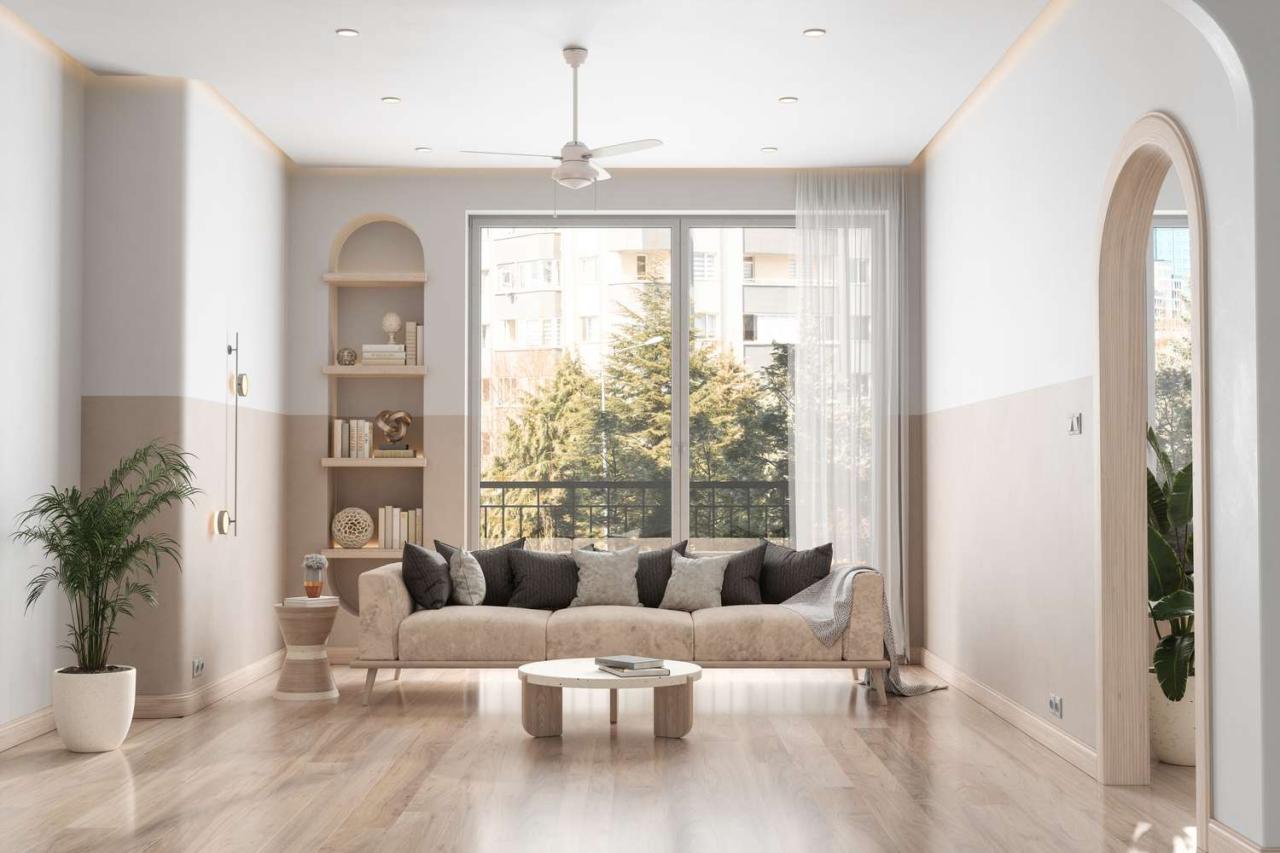
We have closed the chapter on the era of the “stark box.” In its place, we have opened a book filled with pages of textured linen, chapters of warm timber, and illustrations of soft, rounded curves. Warm minimalism is the design world’s collective exhale a sigh of relief after holding our breath for too long, trying to keep everything perfect.
It proves that simplicity does not require sacrifice, and that order does not require coldness. It proves that a room with less can actually feel like it has more: more soul, more story, more comfort. As you look around your own space, consider this not as a mandate to redecorate, but as permission to relax. Let the bed go unmade. Display the lopsided pot your child made. Keep the worn leather chair. In the end, the greatest luxury is not a spotless white room; it is a room that, when you walk into it, finally lets you breathe.