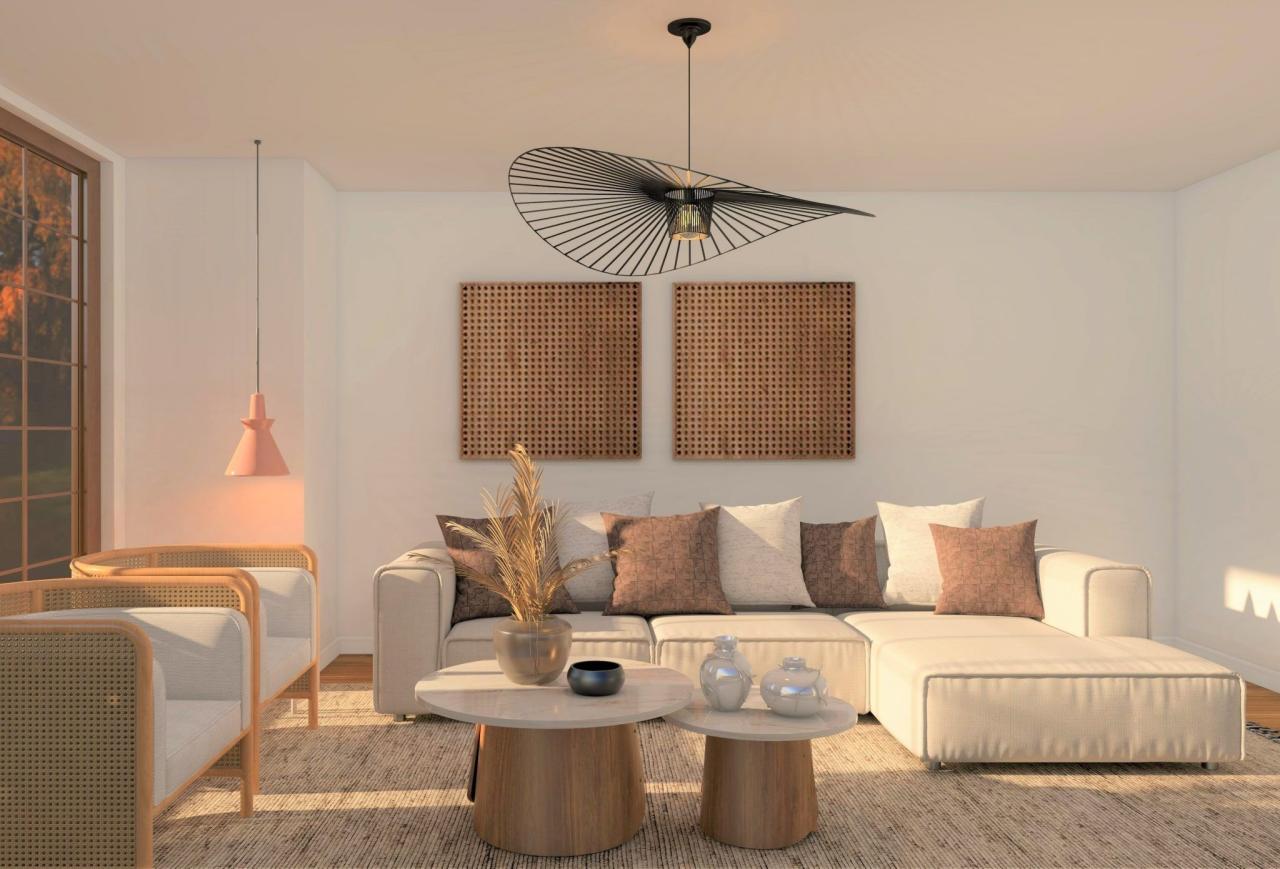
In recent years, interior design enthusiasts have witnessed the rise of a compelling aesthetic movement that bridges Eastern philosophy and Scandinavian sensibility. Japandi style a thoughtful fusion of Japanese minimalism and Danish coziness has emerged as more than just a passing trend. It represents a fundamental shift in how we approach our living spaces, prioritizing tranquility, functionality, and authentic connection to nature over ostentatious display.
This comprehensive guide explores the nuanced world of Japandi harmony for contemporary lifestyles. We will journey through its philosophical underpinnings, practical applications, and the transformative power it holds for modern homes. Whether you are planning a complete home renovation or simply seeking to infuse more serenity into your daily environment, understanding Japandi principles will equip you with timeless design wisdom.
Understanding the Essence of Japandi Philosophy
The Cultural Intersection
To truly appreciate Japandi design, one must first understand its cultural roots. Japanese aesthetics draw heavily from Zen Buddhism and Shinto traditions, emphasizing imperfection (wabi-sabi), simplicity (kanso), and respect for natural materials. Scandinavian design, particularly Danish, emerged from harsh northern climates where creating warm, functional interiors became essential for survival and wellbeing (hygge).
When these two worldviews converge, something remarkable happens. The Japanese reverence for emptiness and restraint meets Scandinavian celebration of light and comfort. Neither culture sacrifices its identity; instead, they amplify each other’s strengths. The result is an approach that feels both ancient and utterly contemporary.
Beyond Aesthetics: A Way of Living
Japandi is not merely about selecting neutral colors or bamboo furniture. It represents a conscious decision to live with intention. In Japanese culture, there exists the concept of “mottainai” regret over wastefulness. Scandinavians similarly value sustainability through longevity. Together, these values create a design philosophy that naturally opposes fast furniture culture and disposable home decor.
When you embrace Japandi harmony, you are essentially committing to:
-
Quality over quantity in every purchase decision
-
Mindful consumption that considers environmental impact
-
Creating spaces that support mental clarity rather than visual noise
-
Honoring craftsmanship and the hands that created your possessions
This philosophical foundation distinguishes authentic Japandi interiors from superficial imitations. It transforms decorating from a consumer activity into a meditative practice.
The Seven Pillars of Japandi Interior Design
Understanding the structural elements of Japandi style enables you to implement it authentically rather than merely copying Instagram-worthy rooms. Consider these seven principles your design constitution.
A. Deliberate Minimalism Without Severity
Unlike stark minimalism that can feel cold or uninhabited, Japandi embraces emptiness as purposeful. Objects are not removed to punish the eye but to allow the spaces between them to breathe. This “ma” the Japanese concept of negative space creates visual resting points that reduce cognitive load.
In practice, this means:
-
Selecting furniture that serves multiple functions to reduce overall pieces
-
Maintaining clear horizontal surfaces with only one or two carefully chosen objects
-
Allowing walls to remain largely bare, with art displayed sparingly but meaningfully
-
Creating transition zones where emptiness prepares you for the next experience
B. Tactile Sensory Experience
Where some design styles prioritize visual impact above all, Japandi engages all senses equally. Texture becomes a language that communicates warmth, comfort, and connection. Because the color palette remains restrained, surface variations provide the necessary visual interest.
Natural fiber textiles introduce organic irregularity that pleases our innate biophilic instincts. Linen wrinkles authentically; wool offers gentle resistance; cotton softens with use. These materials improve with age rather than deteriorating, developing patina that tells the story of your life within the space.
C. Muted Earth and Atmosphere Palette
The Japandi color spectrum draws directly from nature’s restrained moments. Rather than tropical brightness or desert intensity, think of coastal fog, weathered driftwood, misty mountains, and dried grasses. These colors share certain characteristics: they are desaturated, slightly warm, and appear to absorb rather than reflect light.
Whites tend toward cream or oyster rather than pure brilliant white. Grays contain brown undertones rather than blue or green casts. When accent colors appear, they mirror natural phenomena the pink of cherry blossoms, the rust of autumn leaves, the green of moss on stone.
D. Imperfect Beauty and Material Honesty
Wabi-sabi, perhaps the most referenced Japanese concept in Western design, celebrates the beauty found in imperfection and incompleteness. In a Japandi home, you will not find flawless factory finishes or synthetic materials pretending to be natural. Instead, you encounter:
-
Wood displaying visible knots, grain variations, and natural color shifts
-
Handcrafted ceramics with irregular glazing and asymmetrical forms
-
Textiles with subtle weaving inconsistencies that prove their handmade origin
-
Stone with natural fissures and mineral variations
This acceptance of imperfection paradoxically creates more perfect environments because they feel authentic rather than manufactured. Each piece exists in honest dialogue with its own materiality.
E. Seamless Indoor-Outdoor Connection
Both Japanese and Scandinavian traditions recognize the psychological necessity of maintaining connection to nature. In traditional Japanese architecture, engawa (verandas) serve as transitional spaces where interior meets garden. Scandinavian design similarly prioritizes large windows and light wells.
Modern interpretations of Japandi dissolve boundaries between inside and outside through:
-
Consistent flooring materials that continue onto covered patios or balconies
-
Window treatments that maximize views while providing necessary privacy
-
Interior plants selected not as decorative accessories but as living companions
-
Natural light considered the primary illumination source, with artificial lighting playing a supportive role
F. Multi-Functional Spatial Intelligence
Japanese living has long demanded efficient use of limited space, leading to innovations in transformable furniture and flexible room configurations. Scandinavian design similarly values practicality without sacrificing beauty. When these traditions combine, the result is furniture that earns its place through genuine utility.
Consider how each piece in a Japandi interior serves your actual life rather than abstract decorative goals. A low platform bed offers seating during daytime. A dining table functions as workspace. Storage solutions disappear into architecture rather than announcing themselves as bulky furniture.
G. Generational Sustainability
True Japandi harmony extends beyond your immediate occupancy to consider the lifespan of objects within your home. This principle manifests in several concrete practices:
-
Investing in heirloom-quality furniture designed for repair rather than replacement
-
Selecting timeless forms that will not appear dated in five years
-
Avoiding trendy colors or patterns that will limit longevity
-
Purchasing from makers who use renewable materials and ethical labor practices
This long-view approach paradoxically proves more economical than chasing bargains on poorly constructed items requiring frequent replacement.
Implementing Japandi Harmony Room by Room
Theory becomes meaningful only through application. Let us examine how Japandi principles transform each area of the modern home, addressing the unique challenges and opportunities each space presents.
The Entryway: Setting the Tone
The Japanese genkan (entry alcove) provides inspiration for this transitional space. Here, you shed not only footwear but also the mental clutter of the outside world. Even in homes without dedicated entry alcoves, you can establish this psychological threshold.
A Japandi entry requires only three elements: considered storage, a surface for small objects, and something beautiful to welcome you. A slim bench with shoe storage beneath serves both functions. Above, a simple hook rail eliminates bulky coat closets. The decorative element should be intentional perhaps a single ceramic vessel with seasonal branches or a small landscape print.
Avoid the common mistake of treating entry spaces as catch-alls. This area sets expectations for the entire home; visual calm here establishes the psychological readiness for the serenity beyond.
The Living Room: Communal Sanctuary
In Japandi living rooms, the conventional arrangement centered on entertainment technology gives way to configurations supporting genuine human connection. The television, if present, integrates discreetly rather than dominating the space. Seating encourages conversation with minimal physical barriers.
A low-profile sofa in natural linen or cotton velvet anchors the room without visual weight. Instead of multiple occasional tables creating clutter, one substantial coffee table serves multiple functions. Its surface displays perhaps one book and a small ceramic piece nothing more.
Floor space remains intentionally open. This isn’t wasted square footage; it is breathable volume that prevents the room from feeling overcrowded. If you practice yoga or meditation, this openness serves practical purposes. If not, it simply allows your eyes and mind to rest.
Window treatments favor natural materials like bamboo shades or linen curtains. These soften light rather than blocking it completely, creating the gentle illumination characteristic of Japandi interiors. Avoid heavy drapes or complex valances that introduce unnecessary visual complexity.
The Kitchen: Purposeful Preparation
Kitchens present unique challenges for Japandi implementation because they inherently contain many objects. Successful Japandi kitchens address this through comprehensive storage strategies that conceal most tools while keeping essentials accessible.
Upper cabinets, when present, benefit from solid doors rather than glass-fronted displays. Your dishware need not be on constant exhibition. Open shelving, a popular design element, should be used sparingly and contain only your most beautiful, frequently used pieces perhaps handmade ceramics and simple glassware.
Countertops demonstrate your commitment to intentional living. Each appliance should earn its place. Consider whether that bread maker, espresso machine, or stand mixer sees weekly use or merely occupies valuable visual real estate. Store lesser-used equipment in cabinets or pantries.
Material selection carries particular importance in kitchens. Natural stone countertops with subtle veining, unlacquered brass fixtures that will patina beautifully, and wide-plank wood flooring create the sensory richness Japandi celebrates. Even utilitarian spaces deserve the dignity of beautiful, honest materials.
The Bedroom: Restorative Retreat
Perhaps no room benefits more from Japandi principles than the bedroom. Here, the philosophy of deliberate reduction directly supports your most vulnerable state sleep. The Japandi bedroom strips away everything that does not directly contribute to rest and restoration.
The bed itself sits low to the ground, referencing traditional Japanese floor sleeping while providing the comfort Western sleepers expect. Bedding layers in natural fibers linen sheets, wool blankets, cotton quilts create textural interest without pattern or bright color. Pillows remain few enough to be manageable; you sleep here, after all, rather than staging for catalog photography.
Storage solutions disappear into millwork where possible. Freestanding wardrobes, if necessary, should be low and horizontal rather than tall and imposing. Mirrors, which introduce energy and movement, are positioned where they will not reflect the sleeping body.
Electronics find their place outside the bedroom entirely. The charging station, the television, the laptop—these belong elsewhere. Your bedroom becomes a technology sanctuary, a practice supported by both Japanese and Scandinavian traditions of separating rest from stimulation.
The Bathroom: Daily Purification
Japanese bathing culture elevates hygiene to spiritual practice, while Scandinavian sauna traditions similarly recognize water’s cleansing power beyond the merely physical. The Japandi bathroom honors this heritage through spa-like minimalism.
Freestanding soaking tubs, when space permits, declare bathing as ritual rather than mere necessity. Materials remain natural and water-appropriate: teak, stone, ceramic, lime plaster. Plastic has no place here. Even practical items like bath brushes and containers are selected for beauty as well as function.
Storage strategies prevent the visual clutter common in bathrooms. Recessed niches in shower areas eliminate hanging caddies. Vanity cabinets with solid fronts hide toiletries. What remains visible a single vessel of soap, folded towels on a simple ladder is intentionally displayed.
Lighting favors warm temperature sources at lower intensity than other rooms. This is not where you harshly examine imperfections; it is where you prepare for rest or begin your day with gentleness.
The Art of Curating Japandi Objects
Authentic Japandi interiors require a fundamentally different relationship with objects than conventional decorating approaches. This is not about accumulating the right things but about choosing exceptionally well.
Evaluating Potential Acquisitions
Before any new object enters your Japandi home, consider subjecting it to this evaluation framework:
Does this object serve a genuine purpose? Not merely decorative purpose, but actual function in your daily life. Pure decoration must be extraordinarily beautiful or meaningful to justify its place.
Is this object honestly made? Materials should be what they appear to be. Wood should not be printed plastic; stone should not be manufactured composite; metal should not be plated resin.
Will this object age gracefully? Consider how it will look in five, ten, or twenty years. Will it develop desirable patina or simply appear worn and tired?
Does this object honor its maker? Mass-produced anonymity lacks the soul of crafted objects. Whenever possible, choose pieces connected to specific makers, traditions, or communities.
Can this object be repaired? Objects designed for disassembly and repair respect both resources and your long-term relationship with them.
This evaluation process naturally slows consumption. You will acquire fewer objects but appreciate each one more deeply. This is not deprivation; it is curation elevated to mindfulness practice.
Displaying Objects With Intention
Even beautiful objects create visual noise when crowded together. The Japandi approach to display respects each object’s individual presence.
When arranging a shelf, sideboard, or mantel:
-
Allow significant negative space around each object
-
Vary heights and scales dramatically rather than clustering similar sizes
-
Group in odd numbers (one, three, or five objects maximum per surface)
-
Consider the object’s relationship to its background; dark objects need light backgrounds and vice versa
-
Rotate displays seasonally rather than accumulating permanent arrangements
This restrained approach to display paradoxically increases appreciation for each object. When you see the same ceramic vessel daily, isolated on a shelf with generous breathing room, you notice details invisible when it competes with neighboring objects.
Color and Material Selection Deep Dive
While the popular understanding of Japandi emphasizes neutrality, the reality offers greater complexity and satisfaction than simple beige-on-beige schemes.
Building Your Japandi Color Architecture
Think of color in your Japandi home as architecture rather than decoration. The largest surfaces walls, floors, major upholstery establish the foundation in warm neutrals. These are not cold hospital grays but nuanced tones with subtle undertones of taupe, mushroom, oatmeal, or sand.
Secondary surfaces cabinetry, substantial furniture, window treatments operate in the same tonal family but shift slightly in value or temperature. The effect is not contrast but variation, not drama but subtle interest.
Accent colors, used sparingly, introduce the only true color saturation. These accents draw from oxidized mineral tones: the blue-green of weathered copper, the rust of iron, the ochre of earth pigments. Even these saturated colors remain desaturated enough to harmonize rather than compete.
The Material Vocabulary
Japandi interiors speak through materials rather than colors. Develop fluency in this vocabulary:
Wood appears in finishes that honor rather than obscure its nature. White oak, walnut, ash, and bamboo dominate, with preference for lighter tones that reflect light. Visible joinery celebrates construction rather than hiding it. Surface treatments favor hard wax oils over plasticizing polyurethanes.
Stone appears in its least processed forms. Honed rather than polished finishes reduce glare and feel more tactile. Tumbled edges suggest age and wear. Minor imperfections fissures, color variations, fossil inclusions are features, not flaws.
Clay and Ceramic bring ancient materiality to contemporary spaces. Unglazed surfaces invite touch and develop patina. Even glazed pieces show evidence of the maker’s hand through irregular application, drips, or crawling.
Textiles in natural fibers provide necessary softness. Linen’s irregular weave, wool’s crimp, cotton’s softness these subtle textures create the sensory richness Japandi requires. Weave structures like herringbone, basket weave, and hopsack add visual interest without pattern.
Metal appears sparingly and typically in darkened or oxidized finishes. Blackened steel, aged brass, and weathered bronze harmonize with the palette better than bright chrome or polished nickel. When metals appear, they function as subtle outlines rather than declarations.
Common Misconceptions and Pitfalls
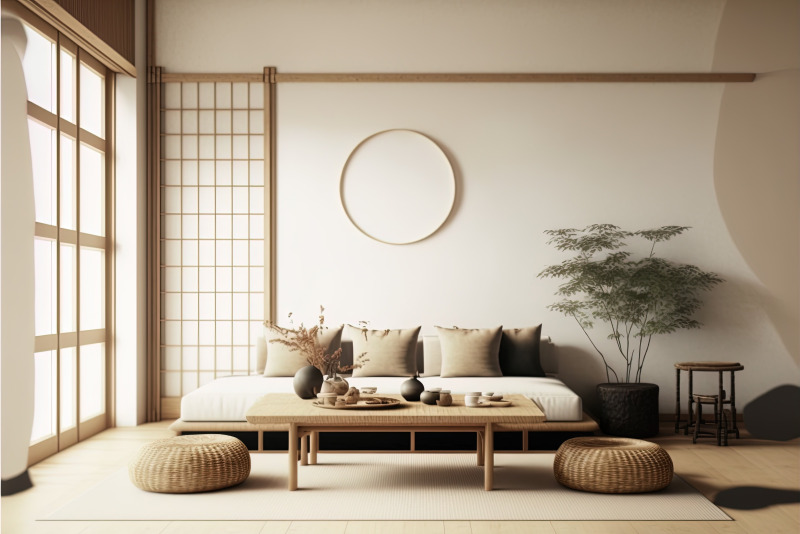
As Japandi has gained popularity, misunderstandings have proliferated. Recognizing these errors helps you avoid them in your own implementation.
Mistaking Austerity for Simplicity
Perhaps the most common mistake transforms Japandi into something cold, uncomfortable, and unlivable. Remember that Scandinavian hygge is essential to this fusion. Your home should feel cozy, not clinical. If you hesitate to touch surfaces or sink into seating, you have prioritized aesthetics over genuine hospitality.
True simplicity requires the confidence to include comfort. Generous cushions, soft throws, warm lighting these are not compromises to minimalism but expressions of it. A well-designed space accommodates human bodies and their need for physical ease.
Forgetting the Patina of Life
Pristine Japandi rooms photographed for magazines show no evidence of actual habitation. Real life involves books in progress, half-finished tea, children’s artwork, and mail awaiting attention. An authentic Japandi home accommodates these realities rather than denying them.
The goal is not to eliminate evidence of living but to contain it thoughtfully. Designate spaces for life’s necessary clutter. A beautiful tray corrals daily mail. A specific shelf holds current reading. A covered basket contains remote controls and charging cables. Containment, not elimination, honors both aesthetic ideals and human reality.
Accumulating “Japandi” Branded Products
The commercial response to Japandi’s popularity has predictably produced countless products labeled with the aesthetic but lacking its soul. Mass-produced “Zen” decor, factory-distressed “rustic” furniture, and synthetic “natural” textiles proliferate.
Resist the impulse to purchase Japandi as a packaged style. A bamboo tray from a discount retailer does not create harmony; thoughtful selection of objects with genuine connection to materials and making does. Fewer objects, each one honestly made and deeply considered, will always surpass a room filled with trend-driven acquisitions.
Ignoring Architectural Context
Japandi principles adapt to existing architecture rather than requiring complete renovation. A Victorian rowhouse, mid-century ranch, or modern high-rise apartment can each accommodate Japandi elements when applied appropriately.
Attempting to impose traditional Japanese architectural features inappropriate to your structure creates awkward pastiche rather than authentic fusion. Instead, focus on the underlying principles material honesty, intentional emptiness, connection to nature and translate them through your home’s existing language.
The Psychological Benefits of Japandi Living
Beyond visual appeal, Japandi environments demonstrably affect wellbeing. Understanding these benefits reinforces commitment to the principles during moments when trendier alternatives beckon.
Cognitive Load Reduction
Your visual environment constantly communicates with your brain, whether you consciously attend to it or not. Each object demands recognition and categorization; each color relationship requires processing; each cluttered surface signals unfinished business.
Japandi’s deliberate reduction of visual information frees cognitive resources for more meaningful employment. The effect is not merely aesthetic preference but measurable reduction in stress hormones and increased capacity for focused attention. Your home becomes not another source of demands but a respite from them.
Mindful Consumption Practice
In a culture organized around continuous acquisition, creating a Japandi home requires conscious resistance. Each purchase decision receives scrutiny it would not receive under conventional decorating approaches. This practice extends beyond interiors to reshape your relationship with consumption generally.
Over time, the discernment developed through furnishing your home transfers to other domains clothing, technology, even relationships. You become more selective, more appreciative, less susceptible to marketing appeals. The home becomes both expression and training ground for intentional living.
Seasonal and Temporal Awareness
Japandi’s connection to natural materials and light inevitably attunes you to seasonal rhythms. The quality of winter light suggests different textile weights and color temperatures than summer brightness. Spring’s emergence invites fresh branches in ceramic vessels; autumn’s harvest offers dried grasses and seed pods.
This temporal awareness counters the climate-controlled, seasonless uniformity of modern life. Your home becomes a calendar expressed through material and light, reconnecting you to cycles our ancestors observed as a matter of survival. This connection, however subtle, provides psychological grounding increasingly rare in contemporary experience.
Sustainability as Inherent, Not Incidental
Unlike design movements that append sustainability as an optional feature, Japandi achieves environmental responsibility through its core principles rather than as separate initiative.
Longevity as Environmental Strategy
The most sustainable object is the one already existing or, failing that, the one that will never need replacement. Japandi’s preference for timeless design over trend-driven styling ensures your home remains appropriate for decades rather than requiring refreshment each season.
This longevity strategy extends to construction quality. Japandi furniture, properly constructed from solid materials with joinery rather than hardware, can be repaired indefinitely. Upholstery in natural fibers can be cleaned, restuffed, and recovered. These are not disposable objects but heirlooms in progress.
Material Consciousness
Natural materials require more resources than their synthetic alternatives but offer superior lifespan and ultimate biodegradability. The calculus favors natural materials when considered across full life cycles. A linen curtain that lasts thirty years before composting creates less environmental burden than polyester curtains replaced each decade and persisting in landfills for centuries.
Furthermore, natural materials support traditional craft economies and sustainable forestry practices rather than petrochemical industries. Your purchasing choices extend beyond your home to support entire production systems aligned with environmental values.
Appropriate Scale
McMansion culture encouraged oversized homes requiring excessive furnishings simply to avoid feeling cavernous. Japandi appropriateness questions not only what you bring into your home but the size of the container itself.
If your dwelling exceeds your genuine needs, consider whether each room serves actual purpose. Underutilized spaces require heating, cooling, maintenance, and furnishing all environmental costs. The most profound sustainable choice might be recognizing that your current home, thoughtfully arranged, provides ample space for your actual life.
Conclusion: Harmony as Continuous Practice
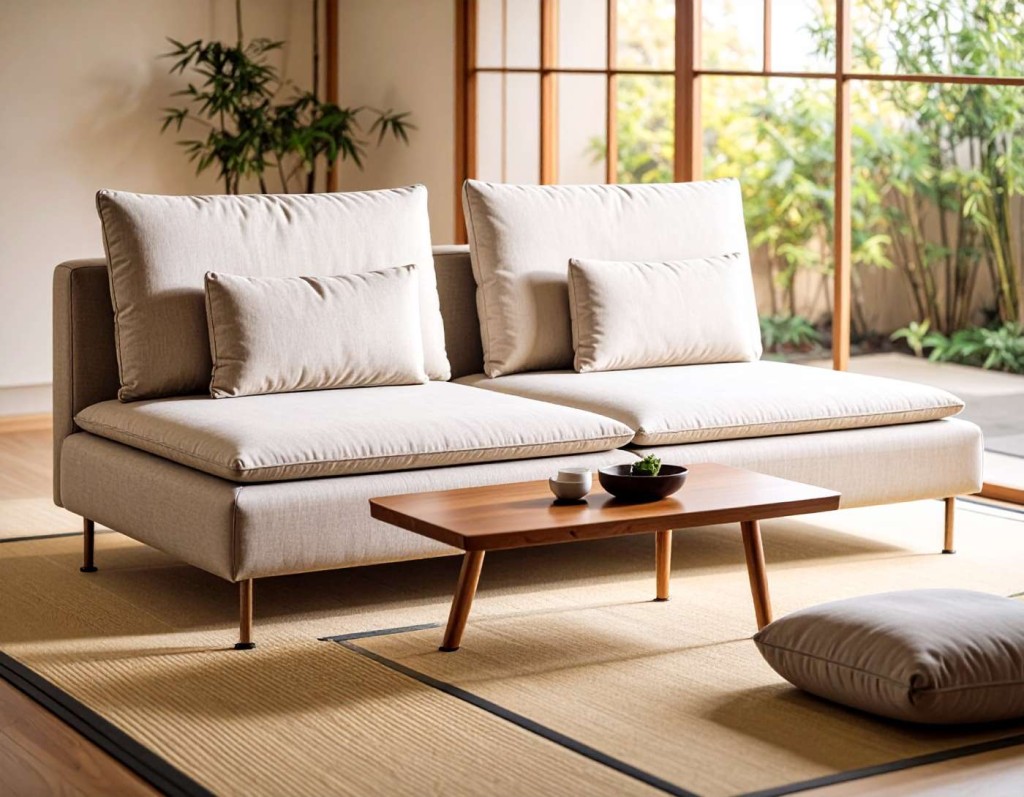
Japandi is not a destination achieved through shopping but a practice maintained through ongoing attention. Your home will never be perfectly, finally Japandi because life itself resists completion. Children grow, interests shift, seasons change, and objects eventually wear.
This incompleteness is not failure but authenticity. Remember that wabi-sabi finds beauty in impermanence and imperfection. Your home, like you, exists in continuous becoming. The principles outlined here provide guidance for that journey rather than specifications for a finished product.
When you choose Japandi harmony, you choose a relationship with your environment characterized by respect for materials, for makers, for your own wellbeing, for the planet. This respect manifests in how you select, how you arrange, how you maintain, and eventually how you release objects from your care.
The result transcends interior design to become something more significant: a life organized around what genuinely matters, with everything else deliberately, beautifully, peacefully omitted. This is Japandi harmony for modern living not a style to purchase but a wisdom to practice, one conscious choice at a time.